


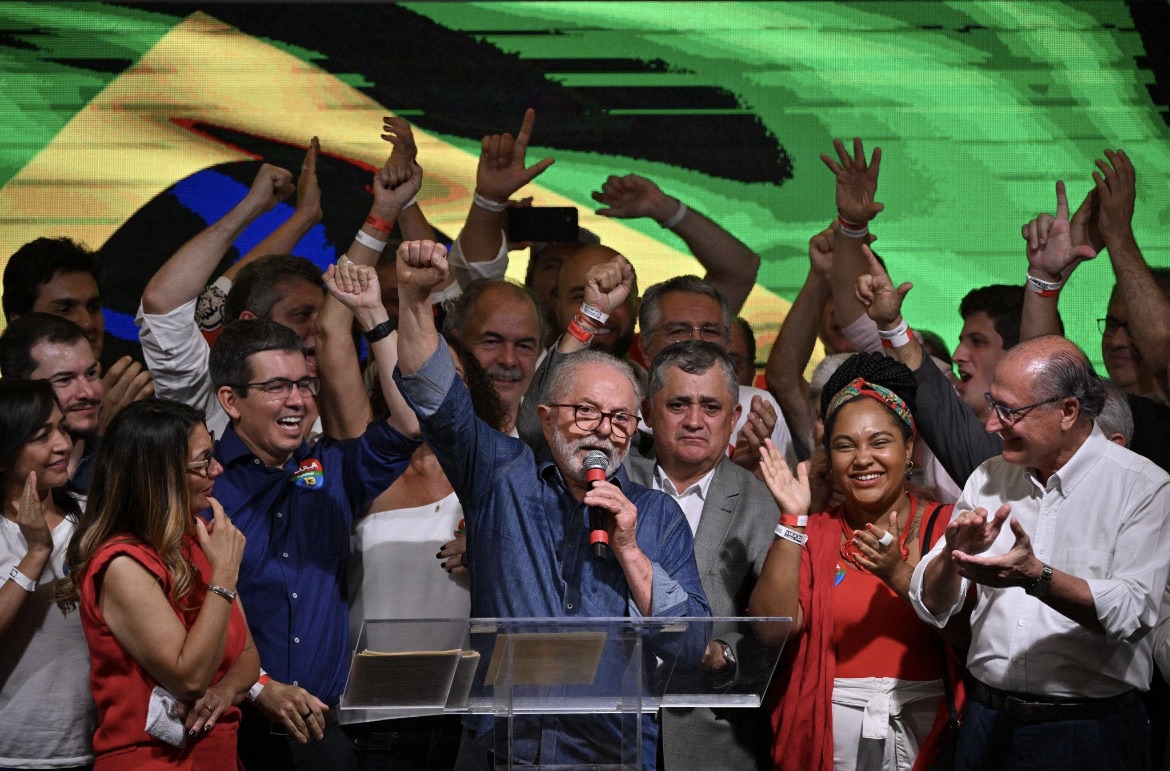
Brazilian President Luiz Inácio Lula da Silva has secured a historic fourth, non-consecutive presidential term after defeating right-wing senator Flávio Bolsonaro in Sunday’s closely contested runoff election, according to election results reported by The Guardian.
Lula secured 51.79 per cent of the vote, compared with 48.21 per cent for Bolsonaro, marking a significant political victory for the veteran left-wing leader. The result also makes Lula the first candidate in Brazil’s democratic era to lose the first round of a presidential election and subsequently win the runoff.
Bolsonaro refuses to concede
Flávio Bolsonaro has refused to accept the outcome, describing the result as unacceptable and pledging legal action to challenge it.
His objections reportedly centre on a Supreme Court decision that extended voting hours by two hours following reports of public transport disruptions. The election result has nevertheless prompted congratulations from several international leaders, including European Commission President Ursula von der Leyen and French President Emmanuel Macron.
A victory with major economic challenges
Lula’s victory offers an opportunity to continue his administration’s social welfare and environmental policies, including efforts to reduce deforestation in the Amazon rainforest.
However, the president faces significant challenges. Brazil’s public debt, fiscal pressures and economic uncertainty could complicate his agenda, while a stronger right-wing presence in Congress may make it difficult to secure legislative support.
The incoming administration will also face pressure to sustain economic growth, manage government spending and address persistent social inequalities.
What the election means internationally
Brazil is Latin America’s largest economy and an influential voice among developing countries. Its policies on climate change, agricultural exports, international trade and relations with major powers can have consequences well beyond its borders.
Lula’s return to office is likely to keep Brazil’s environmental commitments and diplomatic engagement with other developing economies in the international spotlight. His administration’s ability to turn electoral support into effective policy will be tested by domestic political divisions and economic constraints.
The immediate challenge is whether the election dispute can be resolved through Brazil’s institutions without deepening political polarisation.
