

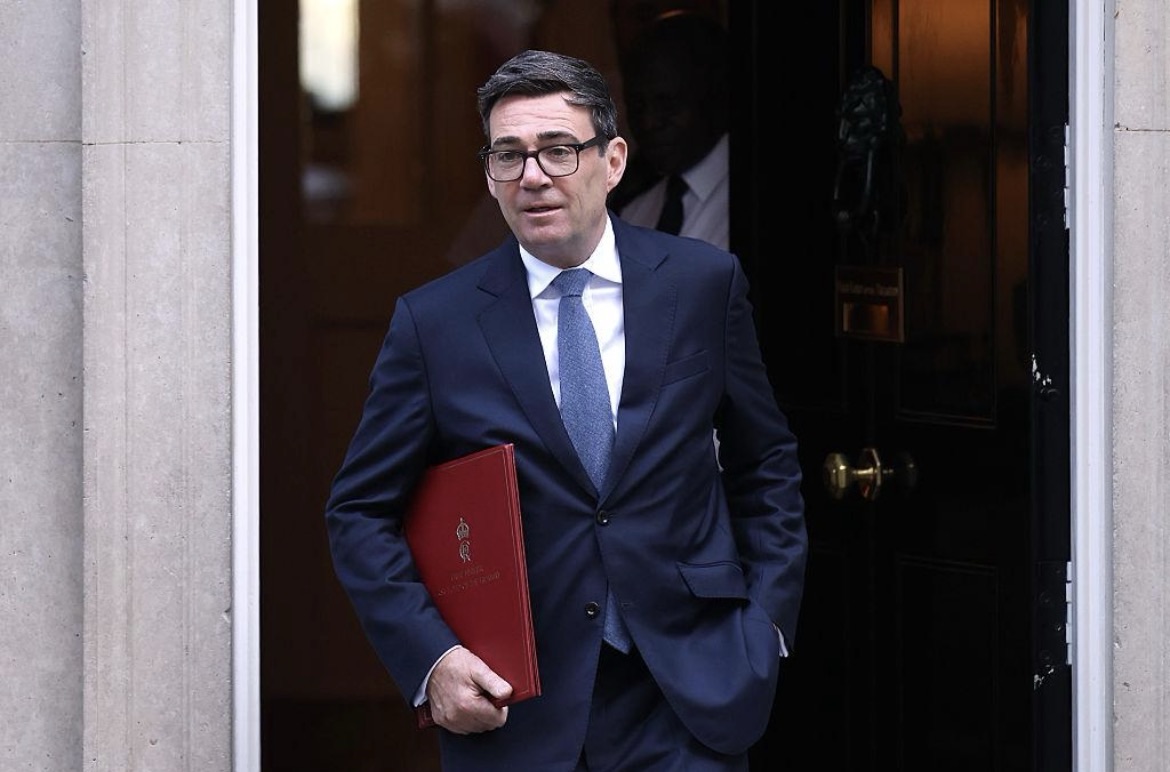
British Prime Minister Andy Burnham has reignited the debate over Britain’s departure from the European Union, saying he would like to see the UK rejoin the bloc during his lifetime while insisting that his government will not pursue membership during the current parliamentary term.
Burnham’s remarks have sparked fresh political divisions over immigration, trade and Britain’s economic future, placing Brexit back at the centre of national debate ahead of a UK–EU summit scheduled for November 20.
The prime minister has argued that Britain’s existing post-Brexit arrangements have not delivered the economic benefits promised during the 2016 referendum campaign. He has also said that the country’s ability to manage immigration has been weakened in certain respects.
Government seeks closer ties with Brussels
Burnham has called for an evidence-based public discussion about Britain’s long-term relationship with the EU. Options under consideration include closer cooperation, a customs union, single-market participation and, ultimately, full membership.
However, these arrangements would involve different obligations. Joining the single market or customs union could require the UK to accept certain EU rules, while full membership would entail a much broader political and economic commitment.
Downing Street has stressed that the government is not currently proposing to restore freedom of movement or commit to a specific future relationship. The prime minister has ruled out rejoining the EU during this parliament.
Opposition parties push back
The proposals have provoked strong reactions from political opponents.
Reform UK leader Nigel Farage has described the prospect of renewed freedom of movement as a betrayal of voters who supported Brexit. Conservative critics have also warned that reopening the issue could reignite political divisions over immigration, national sovereignty and employment.
Meanwhile, supporters of closer European integration argue that stronger trade links could improve market access for British businesses, reduce barriers for exporters and encourage investment.
The disagreement illustrates the difficulty of finding a political consensus on an issue that continues to divide British voters and political parties.
Economic pressures add urgency
The debate comes as the government prepares its budget, with households and businesses facing pressure from high living costs and energy prices.
The government has announced planned tariff reductions on more than 100 imported products, including selected food items, in an effort to reduce costs for households and businesses. The Treasury estimates the measures could save households approximately £21 annually on food shopping.
The prime minister hopes that closer relations with Europe could support long-term economic growth, but any major change would involve difficult negotiations and political trade-offs.
What happens next?
The November 20 UK–EU summit is expected to provide an important opportunity for Burnham to outline possible approaches to the relationship.
For now, the government has ruled out immediate re-entry into the EU and says it will respect its electoral commitments. The central question is whether Britain can secure meaningful economic cooperation with Europe without reopening the most contentious aspects of Brexit.
The outcome could shape British politics, trade policy and immigration debates for years to come.
