


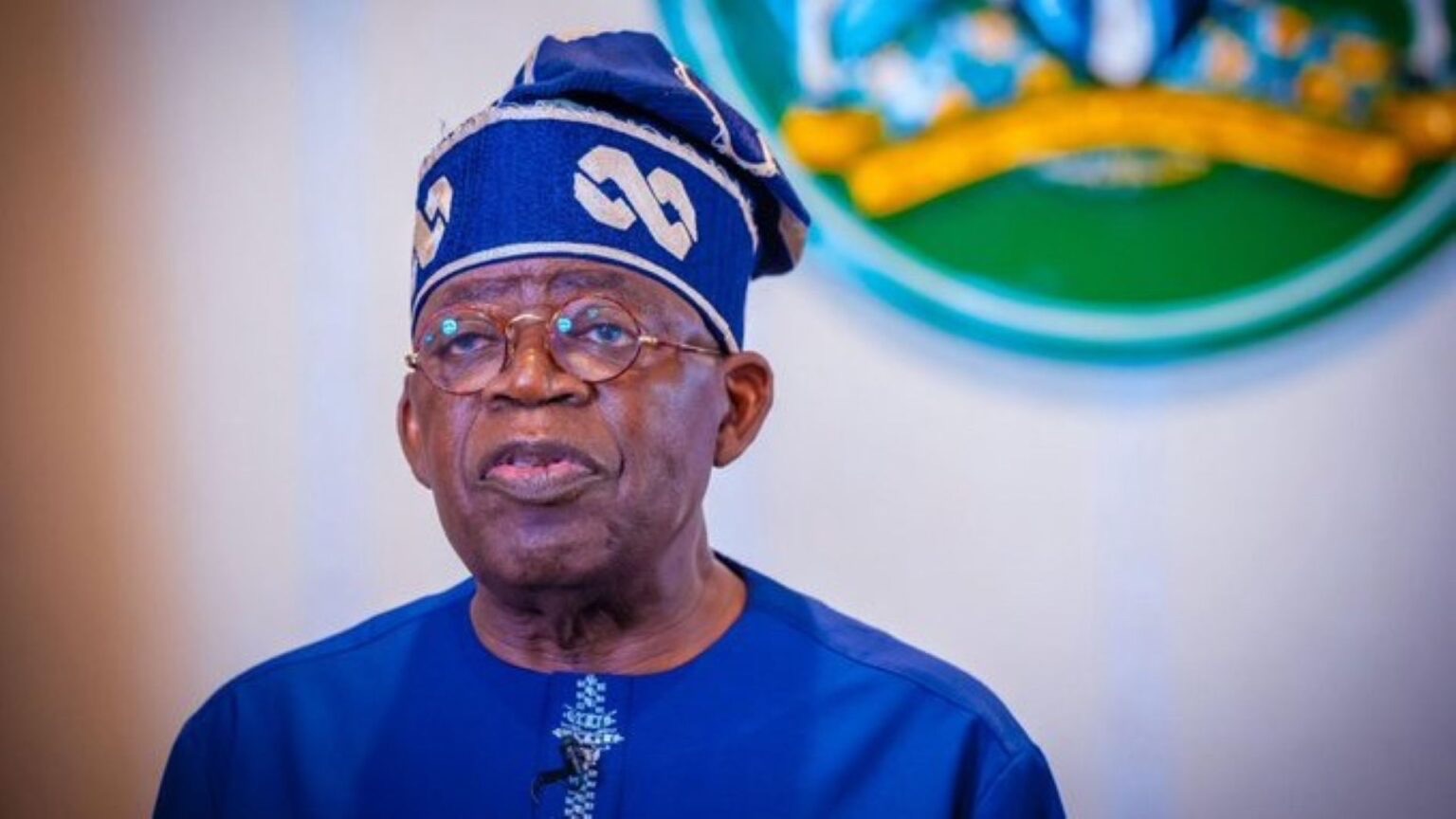
President Bola Tinubu has defended his administration’s plan to secure additional foreign loans, arguing that borrowing should be measured by the infrastructure and economic value it delivers rather than the amount accumulated.
The President’s position has intensified the debate over Nigeria’s debt obligations, with organised labour and opposition figures demanding greater transparency before the National Assembly considers the proposed financing.
In an essay titled From Reforms to Delivery: Our Infrastructure Investment and Growth Strategy, Tinubu said investments in roads, electricity, railways and commercial ports were necessary to expand the country’s productive capacity and support his administration’s ambition of building a $1 trillion economy by 2030.
The Federal Government is seeking legislative approval for external borrowing facilities of $20.52 billion and €1.045 billion under its 2026–2027 Supplementary External Borrowing Rolling Plan. The proposed financing covers projects and programmes across several sectors.
Tinubu identified major infrastructure projects, including the Lagos-Calabar Coastal Highway, Sokoto-Badagry Superhighway, Trans-Sahara Superhighway, electricity grid upgrades and the modernisation of commercial ports in Lagos, as investments expected to improve trade, create employment and attract private capital.
He also argued that long-term financing could align repayment obligations with the useful life of infrastructure projects, reducing pressure on government finances.
However, the Nigeria Labour Congress has questioned why the government needs additional foreign loans despite the removal of petrol subsidy and the reported increase in public revenue.
NLC President Joe Ajaero argued that Nigerians deserve an explanation of the continued borrowing, particularly amid rising crude oil prices and increased allocations to states.
He maintained that the National Assembly and the public should scrutinise the request rather than treat additional borrowing as an automatic requirement.
Opposition figures have also called for the publication of detailed information about the proposed facilities. Paul Ibe, media aide to former Vice-President Atiku Abubakar, requested a breakdown of the projects, their locations, costs, implementation schedules, interest rates and repayment arrangements.
The National Democratic Congress also raised concerns about the country’s growing debt exposure. In a statement, its presidential campaign council cited figures showing that Nigeria’s external debt increased from $43.16 billion in June 2023 to $54.52 billion in June 2026.
The council further questioned whether previous borrowing had translated into measurable improvements in electricity supply, infrastructure and public services. Its estimate of possible future debt exposure was presented as a projection, not the country’s confirmed outstanding debt.
Meanwhile, Vice-President Kashim Shettima has urged the government to pay closer attention to public concerns about its economic reforms. He said citizens needed clear communication, credible evidence of progress and visible improvements in their living conditions.
The debate now places the proposed borrowing before lawmakers and the public as questions remain about the projects to be financed, the terms of the loans and the government’s capacity to repay them.
While the administration maintains that infrastructure investment is essential to long-term economic growth, labour and opposition representatives insist that Nigerians must be given sufficient information to assess the financial commitments being made on their behalf.
