


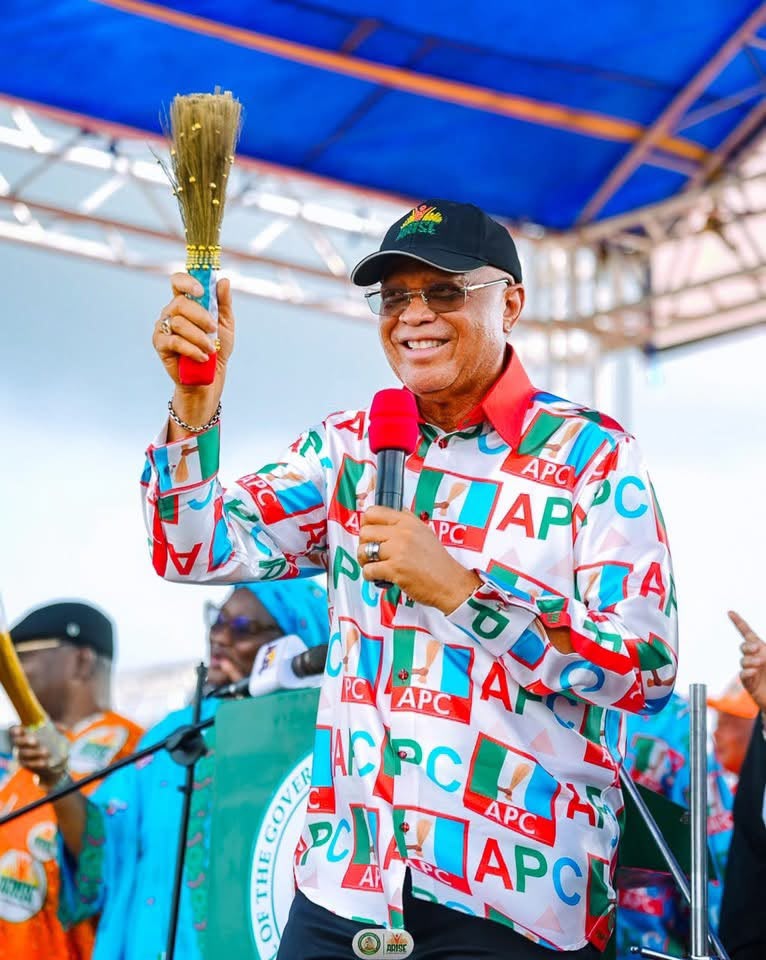
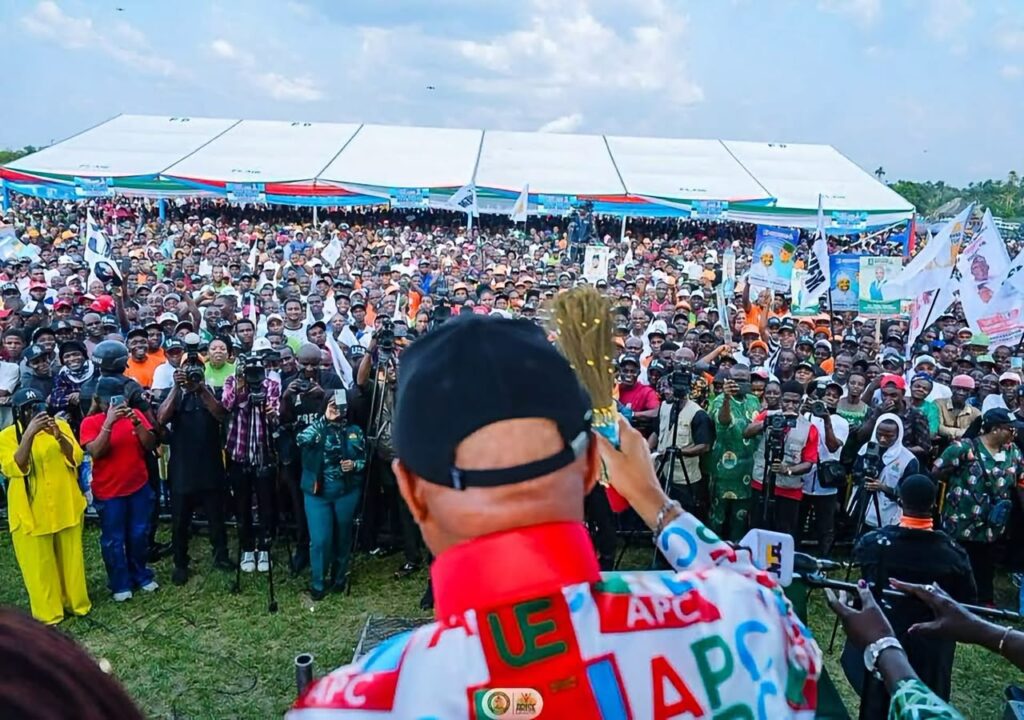
As the All Progressives Congress (APC) takes its 2027 governorship campaign across Akwa Ibom State, Governor Umo Eno’s administration is placing its record in Ika and Etim Ekpo Local Government Areas at the centre of its case for continuity. The campaign message focuses on infrastructure, public services and community-level interventions under the ARISE Agenda.
Rather than relying solely on future promises, the administration is directing attention to projects it says have been completed or are ongoing since Governor Eno assumed office in 2023. The stated objective is to improve access to rural communities, farms, markets, healthcare and other essential services. The State Government’s ARISE Agenda blueprint identifies rural development, infrastructure, education and healthcare as key priorities.


Road projects link communities and economic centres
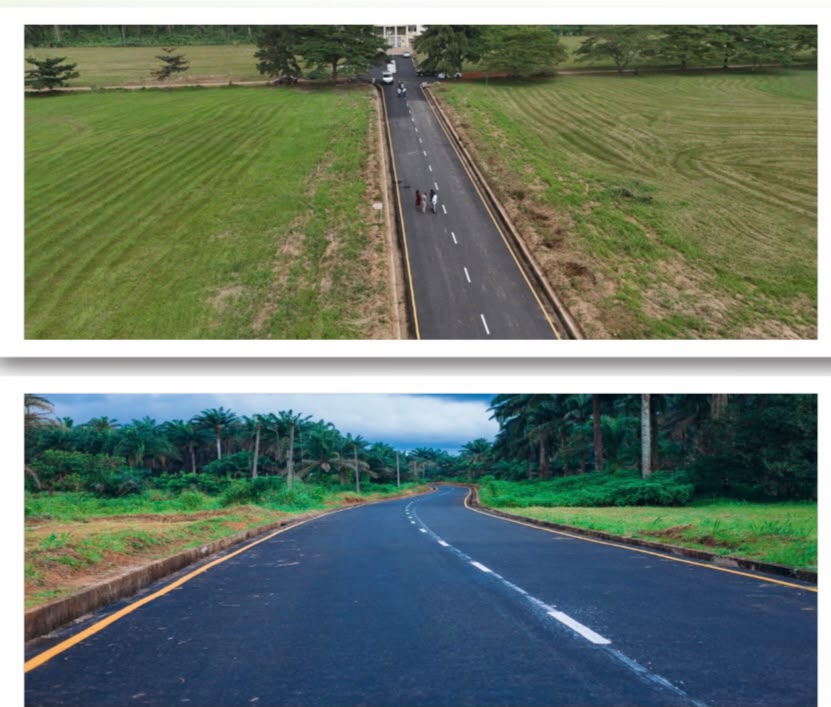
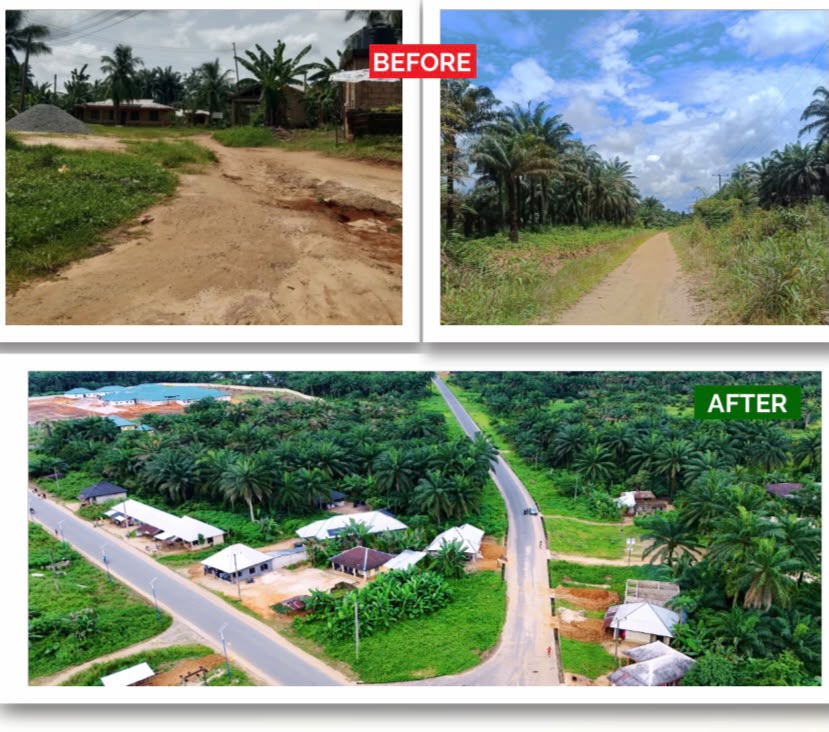
Across Ika and Etim Ekpo, the administration’s project account lists a combined 55.31 kilometres of economically significant roads and a bridge, either completed or under construction. The projects are presented as part of a broader effort to improve movement between settlements and strengthen access to economic activities.
In Ika, the highlighted projects include the 15.13-kilometre Ikot Esu–Otomo–Azumini Road, which connects Akwa Ibom State with Abia State, as well as internal roads in Ikot Udom. Other named routes are the Urua Inyang–Ikot Akata–Ikot Udo–Abiakana Road and the Usung Urua Enen–Idim Achan Road.
In Etim Ekpo, the campaign points to the ongoing construction of the 16-kilometre Midim Atan–Ikot Imonte Road, including a 30-metre-span bridge. Other projects listed are the 7.5-kilometre Utu Nseghe–Ndot Ikot Eda–Uruk Ata Ikot Otok–Ikot Osukpong–Nto Obo Road, the 2.1-kilometre Obong University internal roads and the Atuai–Ikot Ikpa village internal roads.
The emphasis on rural connectivity is consistent with the administration’s published development priorities. In its first-anniversary address, the State Government described rural access roads, potable water, schools and primary healthcare as part of its development programme. Daily Brief has also reported on the administration’s approval of solar-powered water projects across 369 wards.
Healthcare, education and social support
Beyond road construction, the administration’s development scorecard for the two local government areas includes Model Primary Health Centres and Model Primary Schools. In Ika, the campaign says the health facility is expected to widen access to primary healthcare and complement existing services at the Cottage Hospital.
The State Health Insurance Programme and the government’s food distribution initiative are also cited as social interventions supporting residents. The campaign account notes that the food programme has been implemented in four phases. It further lists 24 ARISE Compassionate Homes in Ika and 11 in Etim Ekpo, describing the homes as assistance for vulnerable residents.
The State Government’s published education priorities describe Model Primary Schools as part of its effort to improve learning facilities and standards. The administration has also outlined its rural healthcare approach in its public updates on primary healthcare development.
Power, youth development and local administration
Etim Ekpo’s project list includes a 12-megawatt power substation and a Youth Development Centre. Ika’s listed interventions also include a Youth Development Centre, water projects and other community infrastructure. The campaign presents these projects as investments intended to support local services and create more opportunities for residents.
Both local government areas are also listed as beneficiaries of official residences for their council chairmen. In Ika, the ongoing construction of the chairman’s residence is described by the campaign as a step towards improving proximity between local leadership and residents. The account also highlights the transformation of the council secretariat, including an ultramodern administrative block, under the local council administration led by Utibe Nwoko.
In Etim Ekpo, the campaign credits the council administration led by Gideon Uwa with continuing infrastructural and socioeconomic interventions, alongside projects supported by the state government. It links these efforts to the implementation of local government autonomy, which the supplied campaign material associates with President Bola Tinubu’s administration.
Empowerment and political representation
The administration’s figures also place emphasis on human capital development and political inclusion. The campaign account states that 528 people from Ika have benefited from various enterprise development and empowerment programmes, while more than 300 residents of Etim Ekpo have also been empowered.
It further cites 34 state government appointees from Ika and 18 from Etim Ekpo as evidence of representation in government. These figures form part of the APC’s argument that the administration’s development approach extends beyond physical infrastructure to include participation and access to opportunities. For further context on the administration’s wider programme, see Daily Brief’s report on the ARISE Agenda 2.0.
APC seeks stronger support ahead of 2027
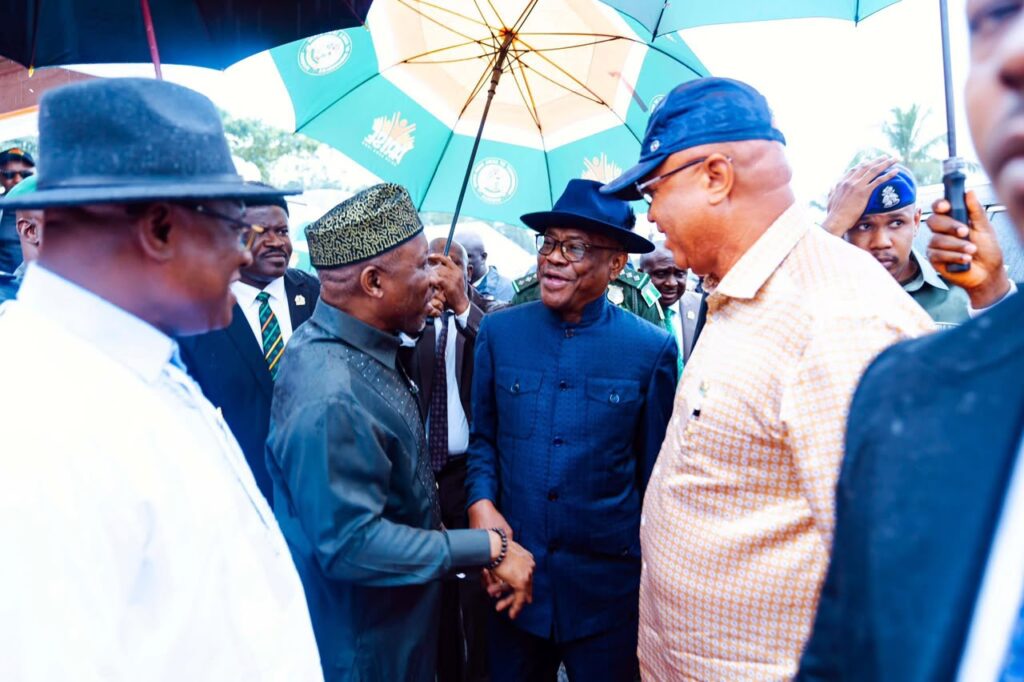
As the campaign moves through Urua Inyang in Ika and Utu Etim Ekpo in Etim Ekpo, the APC is seeking to consolidate support around the projects and interventions it attributes to Governor Eno’s administration. The campaign also points to what it describes as a more united political front in the two areas, with local political leaders rallying behind a common platform.
The political calculations are significant. The supplied campaign material puts the combined number of registered voters in Ika and Etim Ekpo at 103,490 and says the two local government areas recorded a total of 11,744 votes in the 2023 governorship election. The APC now hopes that its presentation of the administration’s record will translate into stronger electoral support in 2027.
For Governor Eno and the APC, the message to residents is that the next phase of the ARISE Agenda should build on the projects and programmes already introduced. Whether the development record presented during the campaign will secure the level of support the party anticipates will ultimately be decided by voters at the ballot box.
By Jason Joshua
