


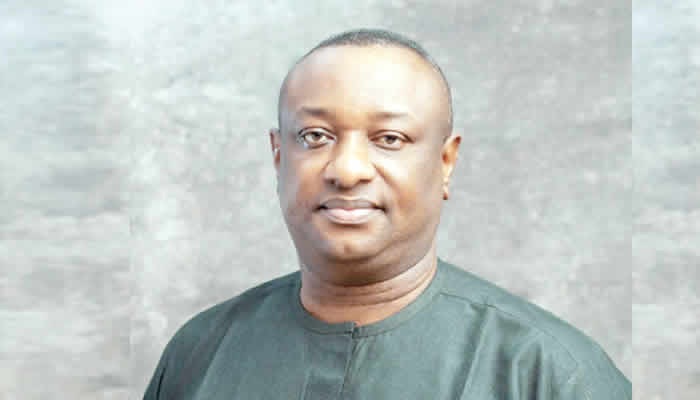
Minister of Aviation and Aerospace Development, Festus Keyamo, has criticised the opposition’s adoption of the controversial “rig and die” slogan ahead of the 2027 general elections, arguing that the rhetoric could weaken their ability to challenge the credibility of the polls if they eventually lose.
Keyamo made his position known in a post on his X account on Thursday, reacting to the slogan popularised by former Deputy Senate President, Ovie Omo-Agege, who is seeking election to represent Delta Central Senatorial District under the Nigeria Democratic Congress (NDC).
The minister used sarcasm to challenge opposition politicians promoting the expression, suggesting that they would struggle to attribute an electoral defeat to rigging after publicly threatening violence against anyone accused of manipulating the results.
According to Keyamo, the opposition should be prepared to accept the outcome of a genuinely free and fair election rather than use allegations of electoral malpractice to explain a possible defeat.
The controversy originated from a campaign event in Uvwie Local Government Area of Delta State on October 23, where Omo-Agege warned that anyone caught manipulating the 2027 election would face violent consequences.
The former senator declared that electoral offenders would not be spared and suggested that political disputes would not be left to the courts. His remarks generated criticism because of the threat of extrajudicial violence and concerns about the safety of electoral officials, voters and other participants.
Following the backlash, Omo-Agege’s media aide, Godwin Anaughe, defended the statement, explaining that it was directed at individuals who might manipulate election results or steal electoral materials, rather than innocent voters.
The aide maintained that the slogan was intended as a warning against electoral malpractice and an expression of the determination to defend the people’s mandate.
However, the exchange has renewed debate about the language political leaders and candidates use during election campaigns, particularly at a time when concerns about electoral violence, intimidation and public confidence in the voting process remain significant.
While political parties have a legitimate right to challenge irregularities and demand credible elections, threats of physical violence risk undermining the legal processes available for resolving electoral disputes.
With the 2027 elections approaching, political leaders are under increasing pressure to promote peaceful participation, respect electoral institutions and ensure that allegations of rigging are addressed through lawful and verifiable channels.
