


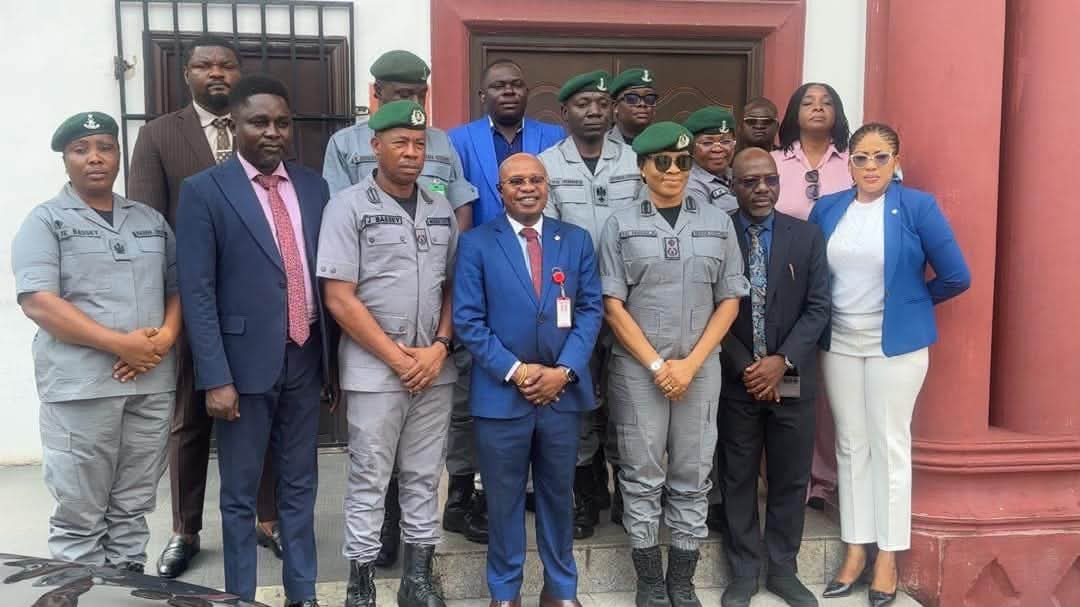
The Nigeria Customs Service and the Vigilante Group of Nigeria have expressed their readiness to strengthen collaboration with the Economic and Financial Crimes Commission (EFCC) in Akwa Ibom State, with a renewed focus on intelligence sharing and efforts to combat corruption and financial crimes.
The commitment emerged during separate engagements involving the EFCC’s Uyo Zonal Directorate, the Nigeria Customs Service and the Vigilante Group of Nigeria, where participants highlighted the importance of inter-agency cooperation in protecting public resources and addressing criminal activities.
Customs Service Seeks Stronger Partnership with EFCC
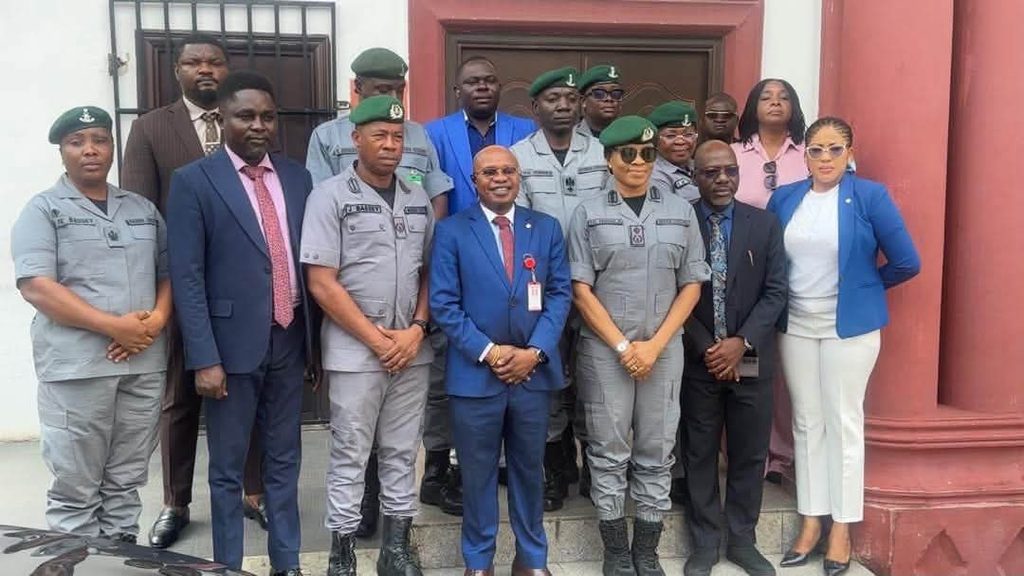
The Acting Area Comptroller of the Nigeria Customs Service, Cross River State Area Command, Deputy Comptroller Nkeiru Ijeoma Nwala, emphasised the importance of strengthening cooperation between the Customs Service and the EFCC, particularly in tackling revenue fraud, trade-related offences and suspicious financial transactions.
Nwala explained that the Customs Service’s responsibilities include protecting government revenue, enforcing trade regulations and monitoring import and export activities. She noted that some of these operations intersect with matters requiring the intervention of other law enforcement agencies.
She therefore called for improved information sharing, timely referrals and effective coordination to ensure that cases requiring joint attention receive the necessary response.
The Acting Comptroller expressed confidence that closer cooperation between both institutions would help safeguard government revenue and protect Nigeria’s economic interests.
EFCC Warns Against Fake Government Auction Advertisements
Responding to the delegation, the Uyo Zonal Director of the EFCC, Assistant Commander of the EFCC I (ACE I) Oshodi Johnson, welcomed the initiative and commended the Customs Service for seeking to strengthen the existing relationship between the two agencies.
Johnson stressed that tackling economic and financial crimes and protecting public resources required collective responsibility. He noted that government revenue remained essential to national development and the provision of public services.
He called for sustained cooperation through intelligence sharing, prompt communication and mutual support during investigations and enforcement operations. He also urged officers of both agencies to maintain open communication channels and avoid unnecessary bureaucratic delays when urgent assistance was required.
The EFCC official further raised concerns about fraudsters impersonating government institutions and their officials to exploit unsuspecting members of the public.
He disclosed that criminals had been using the names and photographs of government officers to circulate fake auction advertisements, while others allegedly deployed fraudulent petitions to deceive victims.
Johnson cautioned the public against falling for such schemes, particularly online advertisements claiming to offer government auction opportunities. He advised Nigerians never to make payments into personal bank accounts under the guise of participating in official government transactions.
He reaffirmed the Commission’s readiness to support the Customs Service in addressing financial crimes and other related offences.
Vigilante Group Offers Grassroots Intelligence Support
In a related development, the Vigilante Group of Nigeria, led by its Commander, Joshua M. Dickson, visited the EFCC’s office in Akwa Ibom State to explore areas of cooperation in tackling financial crimes at the community level.
Dickson expressed the group’s willingness to deploy its extensive grassroots network to support the Commission through surveillance, intelligence gathering and the reporting of suspicious activities.
He commended the EFCC for its efforts in combating crime and explained that the visit was intended to establish a working relationship and identify practical areas where the vigilante organisation could contribute to the fight against criminal activities.
He also disclosed that the group was undergoing reforms in line with the President’s directive, stressing that stronger collaboration among relevant institutions was necessary to improve security and accountability.
The Vigilante Group commander assured the Commission of the organisation’s readiness to provide relevant information and assistance whenever required.
EFCC Calls for Timely Reporting of Suspicious Activities
In his response, Johnson commended the group’s commitment to national service and encouraged its younger members to learn from the experience of their senior colleagues.
He emphasised that credible intelligence remained an important tool in tackling economic and financial crimes, urging members to promptly report suspicious activities within their communities.
He particularly drew attention to unexplained changes in individuals’ lifestyles, noting that such developments could sometimes point to questionable sources of wealth and warrant further attention.
Johnson maintained that timely and reliable information would strengthen the Commission’s efforts to protect public resources and promote accountability.
Although he acknowledged that completely eliminating crime could be difficult, he expressed confidence that coordinated efforts by relevant stakeholders would significantly reduce criminal activities.
He assured the delegation of the EFCC’s willingness to work with the group in areas where its support could assist the Commission’s mandate.
Strengthening Inter-Agency Cooperation Against Financial Crimes
The separate engagements highlight growing recognition of the importance of cooperation among law enforcement and security organisations in addressing corruption, financial crimes and other threats to public resources.
With the Customs Service focusing on revenue protection and trade-related enforcement, alongside the Vigilante Group’s proposed grassroots intelligence support, the EFCC is seeking to strengthen information networks that could improve the detection and reporting of suspicious activities.
The success of such partnerships will depend on sustained communication, credible intelligence and coordinated action among the participating organisations.
