


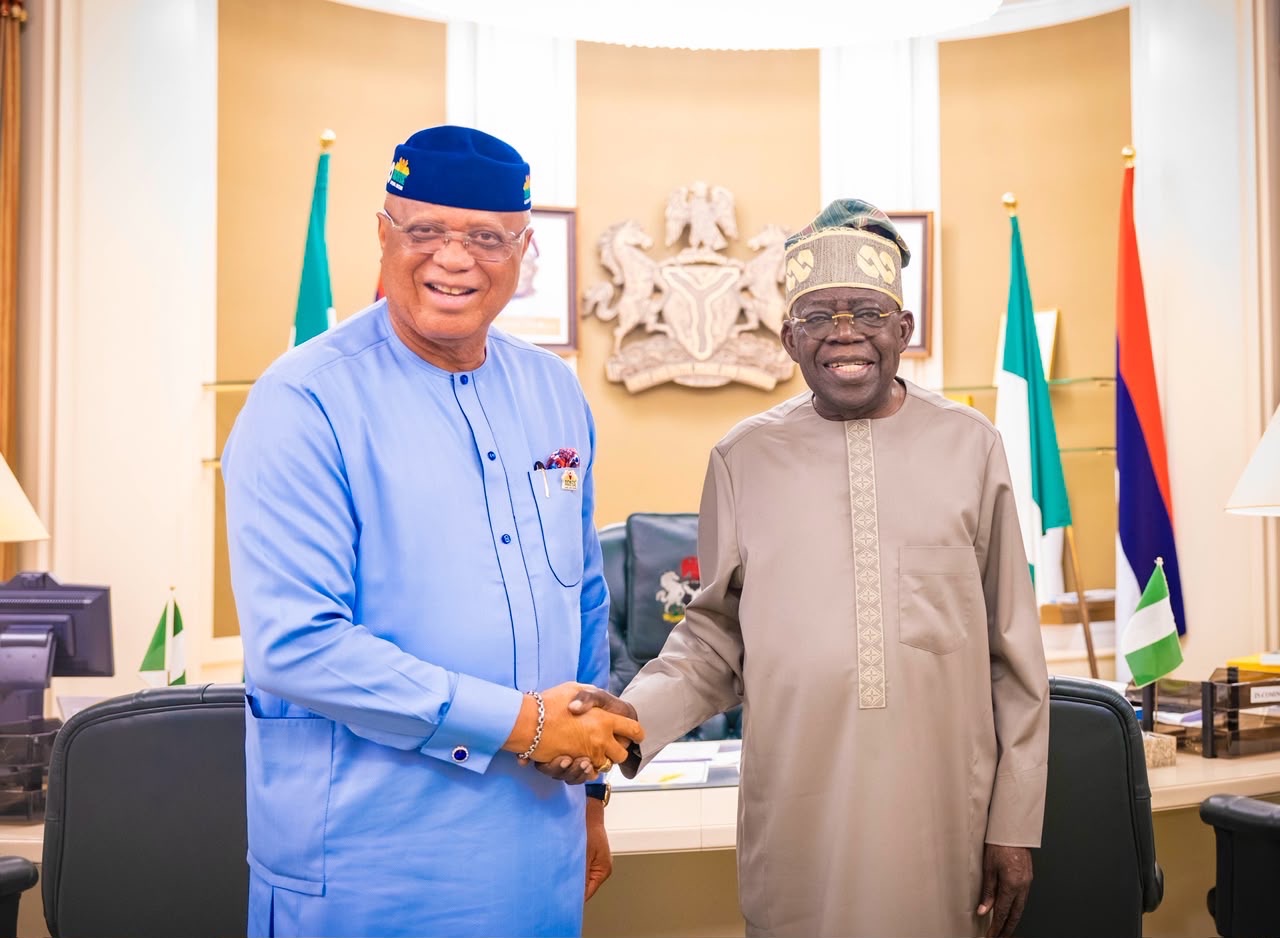
There is something particularly disturbing about the desperation with which some opposition figures in Akwa Ibom State have embraced the politics of perpetual condemnation, even when developments that ought to attract constructive engagement present themselves. The latest statements by the impostor PDP State Publicity Secretary, Comrade Ewa Okpo, and one critic Inibehe Effiong over President Bola Tinubu’s November 6 announcement on the Ibom Deep Seaport are a classic illustration of this unfortunate disposition. Rather than interrogate the development objectively, they have elected to weaponise it for political attacks, throwing around allegations of fraud, deception and waste without offering any credible alternative pathway to the realisation of the project.
It is particularly curious that people who acknowledge that the Ibom Deep Seaport has received successive approvals under different administrations would turn around to dismiss another presidential pronouncement as fraudulent simply because it was made by Tinubu. If the project received Full Business Case approval under the Buhari administration in December 2020, as Ewa Okpo himself admits, then the logical question should be what additional administrative, regulatory, financing or implementation steps are required to move it from approval to construction. Development projects of this magnitude are not delivered by political declarations alone, but neither are they advanced by dismissing every fresh government commitment as a scam. The sensible demand is for timelines, financing arrangements, contractual commitments and visible implementation. Anything short of this is merely political noise masquerading as public accountability.
More troubling is the attempt to turn Governor Umo Eno’s political alignment with the Federal Government into an instrument of ridicule. Must every engagement between the state and the centre be interpreted through the narrow prism of partisan suspicion? The Governor’s responsibility is to secure opportunities, investments and federal interventions for Akwa Ibom, irrespective of the political gymnastics of those who disagree with his choices. If Tinubu has made another commitment to the seaport, the appropriate response is to hold him accountable for its delivery, not to pray for its failure so that opposition politicians can enjoy an electoral talking point. Akwa Ibom does not need political prophets of doom; it needs stakeholders who can distinguish between legitimate scrutiny and destructive partisanship.
Inibehe Effiong’s condemnation of the work-free day and the arrangements surrounding the President’s visit also deserves a more balanced interrogation. Questions about the politicisation of state institutions, the mobilisation of civil servants and the distinction between official state engagements and partisan campaigns are legitimate matters for public discourse. However, they do not justify the sweeping attempt to portray the entire presidential visit as an exercise in oppression. Equally, the reported accident involving women travelling to welcome the President is a tragic development that deserves sensitivity, verification and appropriate concern, not political exploitation. One can disagree with the President, criticise his policies and demand accountability without turning every national engagement into an opportunity to manufacture outrage.
Ultimately, the Ibom Deep Seaport is bigger than Tinubu, Umo Eno, Ewa Okpo and Inibehe Effiong. It is a generational economic opportunity that could transform maritime commerce, create thousands of jobs, stimulate industrialisation and reposition Akwa Ibom as a major investment destination. Those who genuinely love this state should demand that the Federal Government move beyond announcements and provide the necessary funding and implementation framework. But they must also resist the temptation to celebrate failure simply because success could benefit a political opponent. Opposition is a legitimate feature of democracy; perpetual destruction is not a development strategy. Akwa Ibom deserves constructive opposition, not political apostles who would rather see a project fail than see the state succeed under a government they do not support.
