


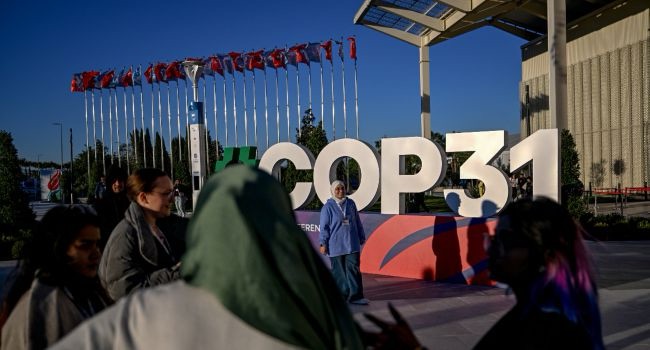
The 31st United Nations Climate Change Conference, COP31, has opened in Antalya, Türkiye, bringing together representatives from nearly 200 countries for two weeks of negotiations on climate action, energy transition and financial support for vulnerable nations.
The summit comes at a time of growing geopolitical tensions, rising energy costs and increasingly severe weather events, all of which are complicating international efforts to reach agreement on climate policy.
More than 100,000 participants are expected to attend the conference, where discussions will focus on accelerating the transition to cleaner energy, strengthening climate adaptation and ensuring that developing countries receive the financial assistance promised by wealthier nations.
Türkiye is hosting the conference, while Australia is leading the formal negotiations under an arrangement reached to resolve a disagreement over hosting responsibilities.
The organisers have described COP31 as an implementation-focused summit, seeking to move beyond previous declarations and translate international climate commitments into practical action.
One of the major proposals under consideration is Türkiye’s electrification initiative, which aims to increase electricity’s share of global energy demand from approximately 20 per cent to 35 per cent by 2035.
However, disagreements remain over how the transition should be achieved. The European Union has advocated for clean electrification, raising questions about whether fossil fuels should play any role in the proposed expansion.
Another major issue is climate finance. Developing countries, particularly those in Africa and other vulnerable regions, are pressing wealthier nations to fulfil financial commitments that would help them adapt to extreme weather, rising sea levels, droughts and other climate-related challenges.
African countries are also pushing for discussions on tripling adaptation finance to strengthen the capacity of vulnerable communities to respond to the effects of climate change.
However, expectations of major financial breakthroughs remain uncertain, with a senior European Union official reportedly indicating limited political support for additional funding commitments.
The absence of the United States government delegation is another significant development. President Donald Trump withdrew the country from the Paris Agreement, and Washington has not sent officials to participate in the conference. A US congressional delegation is nevertheless expected to attend.
The geopolitical situation has also become an important consideration, as the conflict involving the United States and Iran, alongside Russia’s war in Ukraine, continues to affect energy markets and international cooperation.
Despite these challenges, the summit offers governments another opportunity to negotiate practical solutions to the climate crisis.
For developing nations, the outcome will be particularly important because their ability to respond to climate-related disasters often depends on access to financing, technology and international support.
The central challenge for COP31 will be whether participating countries can move beyond political declarations and agree on measurable actions that deliver meaningful progress.
