


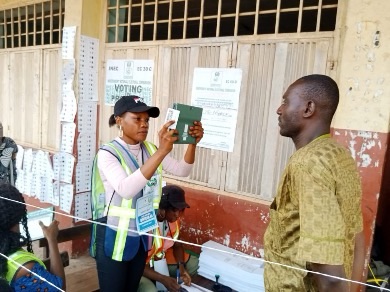
The Independent National Electoral Commission (INEC) has announced plans to conduct a nationwide mock accreditation exercise on November 28 as part of preparations for the 2027 general elections.
The exercise is expected to test the commission’s accreditation process and electronic transmission of election results ahead of the presidential and other scheduled polls.
INEC Chairman, Professor Joash Amupitan, disclosed that the commission had acquired additional Bimodal Voter Accreditation System (BVAS) devices and reduced the maximum number of registered voters assigned to each machine from 1,250 to 850.
The adjustment is intended to improve operational efficiency and reduce pressure on accreditation equipment during voting. However, the effectiveness of the new allocation will depend on how the devices perform under actual election conditions.
The mock exercise will provide an opportunity to identify possible technical challenges before election day. Issues such as accreditation delays, device failures, result-transmission problems and the ability of officials to respond to technical disruptions will be important measures of preparedness.
The announcement comes at a time when INEC is facing public scrutiny over its readiness and credibility, particularly amid ongoing political disputes and court cases affecting candidates and party nominations.
The commission has also disclosed that it is dealing with more than 300 pending court cases connected to electoral matters. These legal disputes add pressure to an already demanding preparation process, as decisions affecting candidates and party structures must be handled in accordance with binding judicial orders.
For political parties and voters, the November 28 exercise will be an important opportunity to assess whether the commission’s assurances are supported by practical results.
A credible election requires more than the procurement of equipment. It depends on transparent procedures, trained personnel, reliable technology and clear mechanisms for addressing failures when they occur.
INEC will therefore face the task of demonstrating that its preparations can translate into a process that voters, candidates and political parties can trust.
Daily Brief notes that the mock accreditation exercise is a test of preparedness, not proof that all technical or logistical challenges have been resolved. Its findings and the commission’s response to any identified weaknesses will be crucial.
