


Nigeria’s opposition coalition has moved the signing of its proposed unity agreement to November 30, extending negotiations among six political parties seeking a coordinated challenge to the ruling All Progressives Congress (APC) in the 2027 general elections.
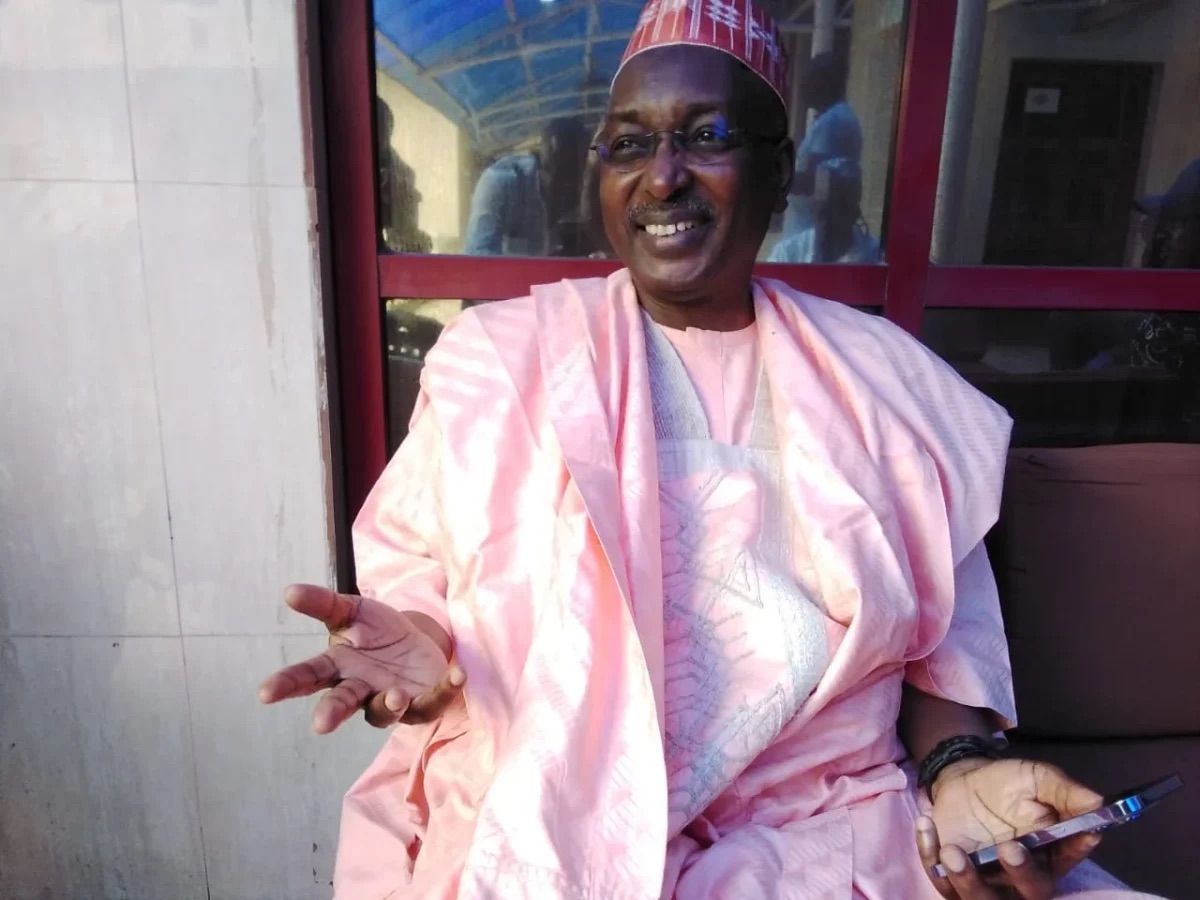
The postponement was announced by Salihu Lukman, former Director-General of the Progressives Governors Forum and Coordinator of the Coalition for Democracy, during an interview on Arise Television.
The agreement had initially been scheduled for November 23. Lukman said the new date followed consultations with party leaders and presidential candidates who requested additional time to accommodate their campaign schedules.
But the adjustment comes against a more difficult political backdrop: the participating parties have yet to agree on whether they will eventually support one presidential candidate.
Six political parties in the proposed alliance
The coalition currently involves the African Democratic Congress (ADC), Allied Peoples Movement (APM), National Democratic Congress (NDC), a faction of the Peoples Democratic Party (PDP) associated with Tanimu Turaki, the Peoples Redemption Party (PRP) and the Social Democratic Party (SDP).
Under the proposed arrangement, the parties would retain their individual identities, leadership structures and existing candidates while establishing a framework for cooperation.
Lukman said three documents had been prepared to guide the arrangement:
- National Covenant for Democratic Renewal: Intended to establish the principles and commitments guiding the alliance.
- Framework for Opposition Unity: Designed to provide a structure for cooperation and resolving disagreements.
- National Reform Programme: A proposed set of minimum policy commitments for any government emerging from the coalition.
The documents are expected to be presented publicly when the agreement is signed.
The presidential ticket remains the biggest disagreement
Despite the planned formalisation of the alliance, the question of a common presidential candidate remains unresolved.
Opposition figures, including former Vice-President Atiku Abubakar and former Anambra State Governor Peter Obi, are associated with competing political ambitions and party arrangements.
Lukman acknowledged that the coalition had not established a mechanism for selecting a joint candidate. He said such a decision would require the direct involvement and consent of the presidential candidates.
The NDC, he noted, had expressed a preference for an Obi-Wan ticket, illustrating the difficulty of reconciling the interests of different political platforms.
The coalition’s proposed agreement therefore does not automatically mean that all participating parties will field one presidential candidate or withdraw their individual candidates.
Coalition leaders warn against internal attacks
Lukman also expressed concern about disagreements among opposition supporters, arguing that public attacks between members of the different political camps could undermine the wider cooperation effort.
He urged party leaders and presidential candidates to take responsibility for the conduct of their supporters and prevent internal disputes from weakening negotiations.
The coalition’s organisers are also proposing practical electoral cooperation, particularly in protecting votes at polling units.
Lukman said participating parties could pool resources and coordinate polling agents in areas where individual parties lack the capacity to cover the country’s approximately 176,000 polling units.
Such an arrangement, if adopted and implemented, would allow parties to share some election-monitoring responsibilities without necessarily merging their political structures.
November 30 becomes a crucial political test
The revised signing date now gives the participating parties another ten days to prepare for the public presentation of their proposed agreement.
However, the event will need to demonstrate more than an agreement to hold meetings. The parties still face difficult questions about candidate selection, joint campaigning, political representation and how disagreements will be handled.
The coalition’s immediate objective is to establish a formal structure for cooperation. Whether that structure can eventually accommodate the competing presidential ambitions within the opposition remains an open question.
For the APC, the negotiations represent an important development in the political environment ahead of 2027. For opposition parties, the November 30 meeting will provide a clearer indication of how far their unity project has progressed.
