


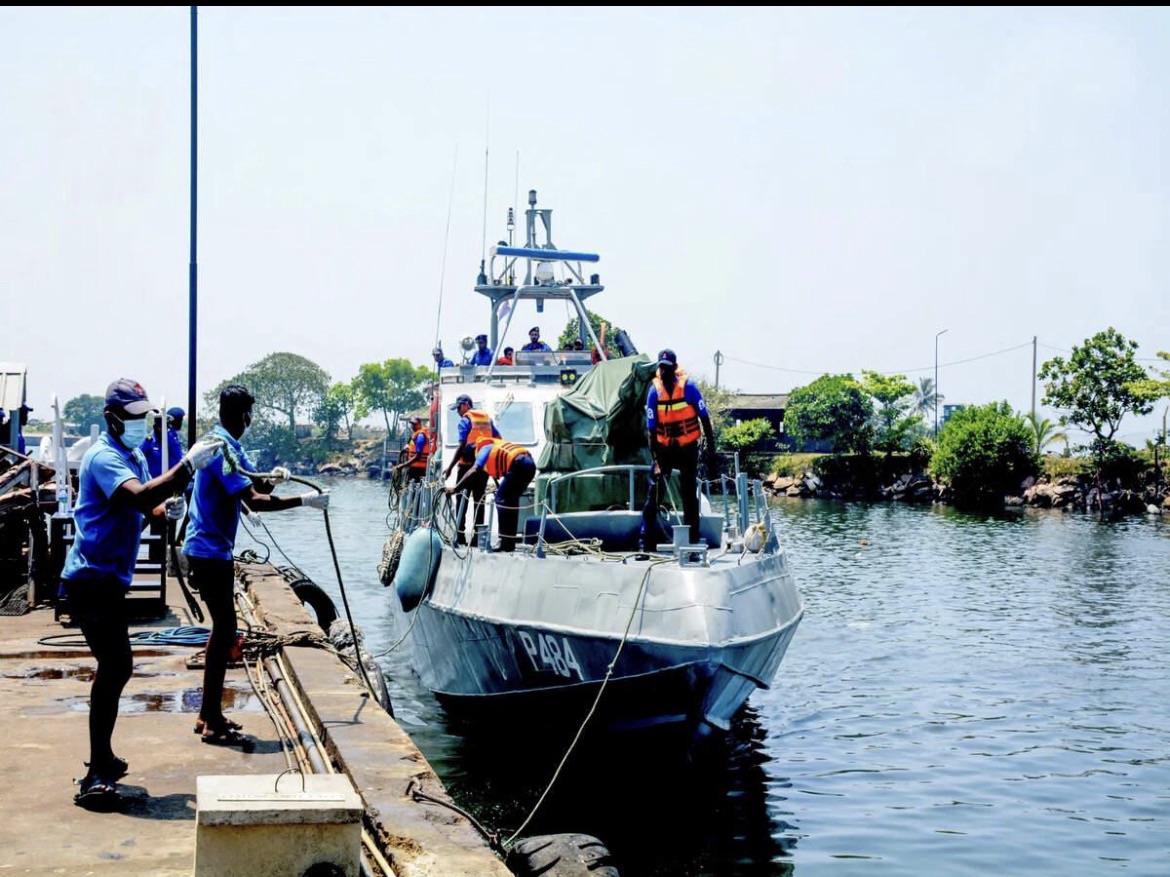
Sri Lanka has provided emergency medical assistance to 40 Iranian sailors stranded aboard ships near its waters before arranging their return to Iran, highlighting the growing humanitarian consequences of tensions surrounding the Strait of Hormuz.
The sailors were brought ashore at the southern port of Galle on Saturday after Sri Lankan authorities received a distress call requesting medical assistance. Following initial treatment, they departed for Iran early Sunday, October 25, according to Sri Lankan Foreign Ministry spokesperson Thushara Rodrigo.
Iranian vessels stranded at sea
The incident comes as Iranian oil tankers remain stranded off Sri Lanka following the resumption of a United States naval blockade affecting Iranian shipping around the Strait of Hormuz.
Sri Lankan authorities have acknowledged that 19 ships were anchored approximately 24 nautical miles off the country’s coast. Their crews have reportedly faced shortages of essential supplies, including food, drinking water and fuel.
The prolonged disruption has raised concerns about the welfare of sailors caught up in the wider geopolitical confrontation between Washington and Tehran.
Sri Lanka faces a diplomatic balancing act
Sri Lanka’s decision to provide medical assistance comes against a complicated diplomatic backdrop. The country maintains important economic and trade relationships with both the United States and Iran.
Colombo had previously expressed reservations about assisting the stranded vessels, citing national interests and concerns about potential secondary sanctions against companies involved in supplying the ships.
However, the emergency medical response demonstrates the humanitarian pressures governments can face when geopolitical disputes leave civilian crews stranded far from home.
A conflict with wider consequences
The latest development follows an earlier maritime tragedy involving the Iranian naval vessel IRIS Dena, which was sunk by a US torpedo attack nearly seven months ago, killing 87 sailors, according to the Associated Press.
The continuing disruption around the Strait of Hormuz has implications beyond Iran and the United States. The waterway is a critical route for international energy shipments, and prolonged restrictions could affect oil supplies, shipping costs and fuel prices in importing countries.
For nations such as Nigeria, which participates in international oil markets and imports refined petroleum products, sustained volatility in global energy supply could have important economic consequences. However, the effect on domestic petrol prices would also depend on exchange rates, local supply conditions and other market factors.
The repatriation of the 40 sailors offers temporary relief to their families, but the fate of other stranded crews remains a concern as diplomatic efforts continue.
