


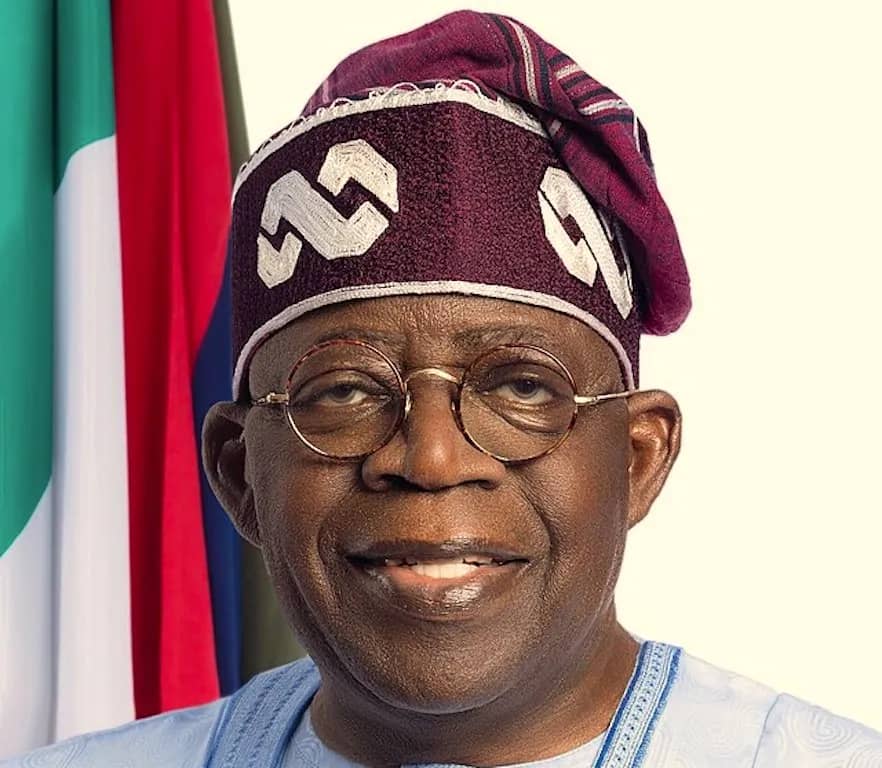
There is no question that a visit by the President of the Federal Republic of Nigeria is a significant national event. It attracts public attention, demands extensive security arrangements and provides an opportunity for the host state to showcase its achievements, infrastructure and hospitality. For Akwa Ibom State, the visit of President Bola Ahmed Tinubu is undoubtedly an important occasion.
However, as the state prepares to welcome the nation’s number one citizen, a fundamental question deserves public attention: At what cost should ordinary citizens be made to participate in the celebration of a presidential visit?
The decision by the Uyo Local Government Council to shut down Ikot Ekpe Market, popularly known as Udua Ebot, along Goodluck Jonathan Boulevard, on Friday, November 6, 2026, ahead of the President’s visit raises legitimate concerns about the economic implications of such directives.
Similarly, the state government’s declaration of a work-free day, ostensibly to enable residents to turn out en masse to welcome the President, may have been conceived as a demonstration of hospitality and solidarity. But the economic realities of ordinary Akwa Ibom residents must not be lost in the excitement of hosting a presidential guest.
Market Closure and the Economic Burden on Traders
For traders, market closure is not merely an administrative announcement. It is a direct interruption of their source of livelihood.
Every day a trader opens a shop, displays goods or attends to customers presents an opportunity to make sales, recover capital and provide for the family. For many small-scale traders, there is no guaranteed monthly salary, paid leave or financial cushion to compensate for a day without business.
The woman who sells vegetables, the man who sells provisions, the fish seller, the food vendor and the petty trader who depends on daily turnover all have economic responsibilities that do not go on holiday simply because the President is visiting.
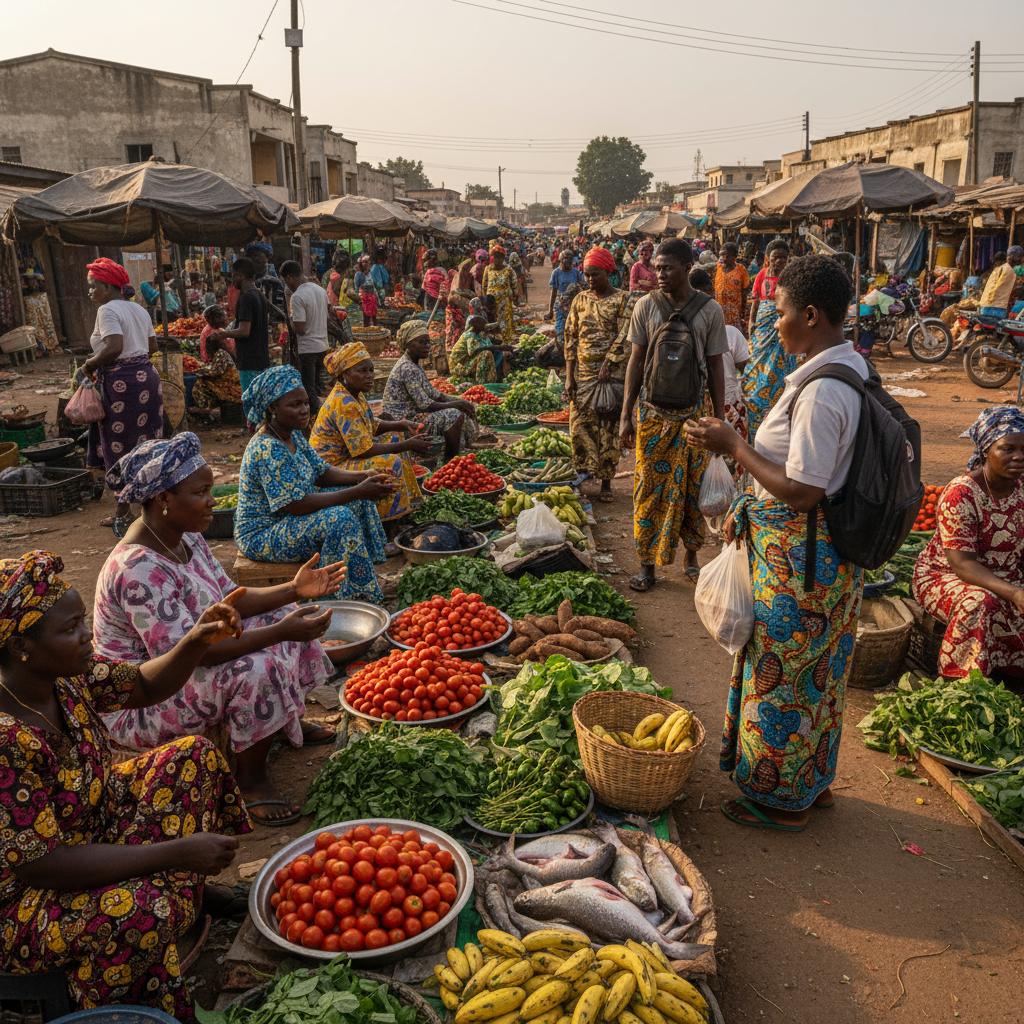
Rent must still be paid. Children must still eat. School fees, transportation costs, electricity bills and other household expenses will not be suspended because a market has been ordered shut.
The situation becomes even more concerning when the interests of consumers are considered. Many ordinary residents depend on these markets for daily purchases, often buying food in small quantities with money earned that same day. A market closure could force them to adjust household plans, travel farther or spend more to obtain essential commodities.
The market is not simply a commercial space. It is an economic lifeline connecting farmers, wholesalers, retailers, transporters and consumers. When it is shut, even temporarily, the consequences extend beyond traders whose shops are locked. The entire chain of daily economic activity is disrupted.
Presidential Security Should Not Mean Economic Hardship
Of course, security is a legitimate concern whenever the President visits a state. The protection of the Commander-in-Chief and the safety of residents must be treated with utmost seriousness.
Government has a responsibility to ensure that security agencies can operate effectively without exposing the President or the public to avoidable risks.
But security considerations should not automatically translate into economic hardship for ordinary people. There must be a balance between the demands of presidential protocol and the welfare of citizens whose taxes sustain government.
Could the authorities have considered restricting movement only around critical security corridors? Could alternative arrangements have allowed markets outside the immediate presidential movement routes to operate? Could traders have been given sufficient notice and a more flexible arrangement to minimise potential losses?
These are not unreasonable questions. They are questions of public interest and responsible governance.
Who Bears the Cost of a One-Day Market Closure?
A presidential visit should provide an opportunity to demonstrate the hospitality, organisation and developmental progress of Akwa Ibom State. It should also be an opportunity to showcase the entrepreneurial energy of its people.
It would be unfortunate if the very people whose businesses and daily activities give life to the state’s economy were compelled to bear unnecessary economic sacrifices in the name of receiving a distinguished guest.
There is also the question of whether affected traders will receive any form of compensation or support for the losses they may incur. While it may be difficult to calculate the exact financial implications of a one-day closure, government should recognise that even a single day of lost income can make a significant difference to a struggling household.
A trader who depends on daily sales cannot simply recover lost income by reopening the following morning. Unsold goods, perishable products, outstanding obligations and daily household expenses remain part of the economic reality.
Local Government Must Consider the People
More importantly, the situation presents an opportunity for local government authorities to rethink how they implement public directives.
Local governments are the closest tier of government to the grassroots. Their policies and administrative decisions should reflect a clear understanding of the economic circumstances of the people they govern.
A directive affecting the livelihoods of thousands of ordinary residents should not be treated as a routine administrative exercise. It should be preceded by proper consultation, adequate notice and serious consideration of less disruptive alternatives.
The welfare of traders and other residents should form part of the decision-making process, particularly when government actions directly affect their ability to earn a living.
Akwa Ibom Can Welcome Tinubu Without Disrupting Livelihoods
The President’s visit is important. Akwa Ibom deserves to welcome him with pride and dignity. The state government deserves recognition for its efforts to ensure a successful visit.
But the success of a presidential visit should not be measured only by the size of the crowd, the grandeur of the reception or the number of roads cleared for the presidential convoy.
It should also be measured by how much consideration is given to the welfare of ordinary citizens during the preparations.
After all, the essence of government is to improve the lives of the people, not to make their economic survival more difficult in the process of organising ceremonies.
The President will arrive, inspect projects, commission facilities, deliver his speeches and eventually depart. The Governor and his entourage will return to their regular schedules. But the trader who loses a day’s income and the household that struggles to make ends meet will continue to live with the consequences.
A presidential visit should be a moment of pride for the people, not a day of economic punishment for them.
Akwa Ibom can welcome the President without shutting down the economic lives of its people. Hospitality and security are important, but so are livelihoods, dignity and the right of ordinary citizens to earn a living.
The common man must not become the forgotten casualty of presidential protocol.
