


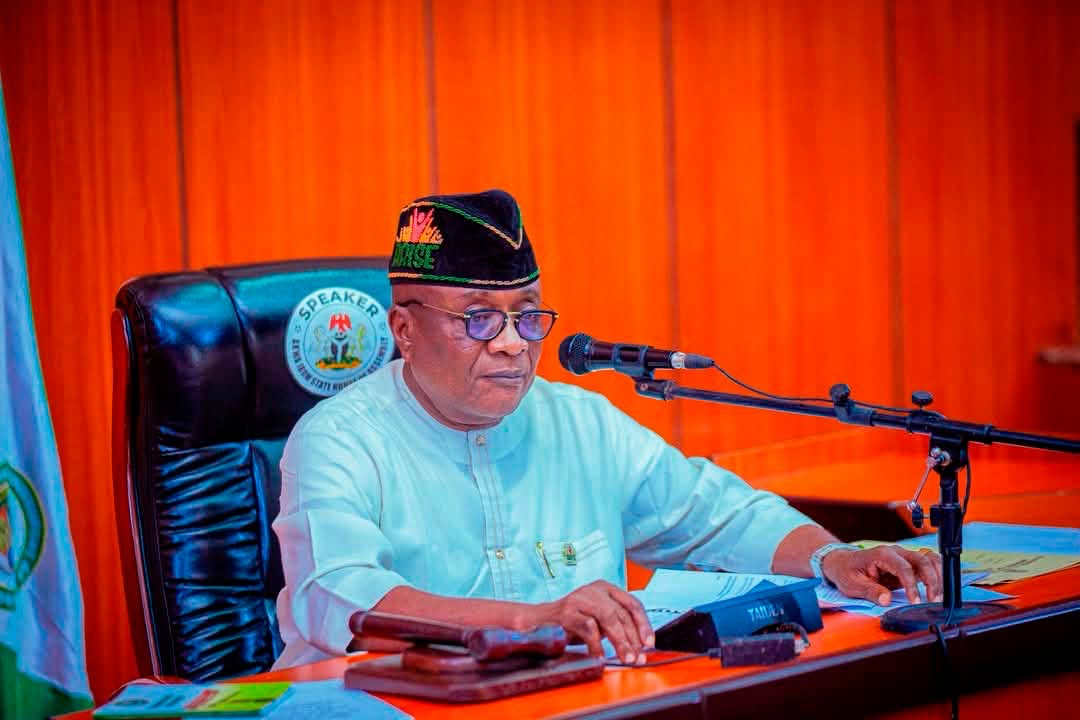
The Akwa Ibom State House of Assembly has proposed amendments to the Akwa Ibom State Independent Electoral Commission Bill, 2026, including provisions to strengthen grassroots participation in elections and empower the commission to recruit and discipline its staff.
The recommendations followed a public hearing organised by the House Committee on Inter-Governmental, Political and Special Matters on Monday, October 26, after the bill passed second reading on October 21.
Presenting the Committee’s report during plenary at the Assembly Complex on Wednesday, October 28, the Committee Chairman, Emem Udom, said stakeholders who participated in the public hearing expressed support for the bill, which seeks to align the operations of the state electoral commission with the Electoral Act, 2026.
The Hearing attracted representatives of relevant Ministries, Departments and Agencies, Labour Unions, Civil Society Organisations and other stakeholders, who made oral and documentary submissions to guide the Committee’s recommendations.
Among the proposed changes is an amendment to Clause 10 to mandate the Commission to stimulate the participation of citizens, political parties, voters, collaborating agencies and other stakeholders in the electoral process at the grassroots level.
The Committee also recommended inserting the words “delineate and delimit” after “create” in Clause 10(2), as well as introducing a new subsection expressly empowering the commission to recruit, appoint, confirm, promote and transfer staff and exercise disciplinary control over them.
For Clause 58, the Committee proposed expanding the categories of legal practitioners who may be involved in the relevant legal process to include the commission’s legal officers or a legal practitioner appointed by the commission, as well as a legal practitioner authorised by the state Attorney-General.
The Committee further recommended revising Clause 68 to provide that the legislation be cited as the Akwa Ibom State Independent Electoral Commission Law, 2026.
Mr Udom said the recommendations were intended to improve the bill, adding that the Committee hoped the House would adopt its report.
The bill was referred to the Committee after its second reading on October 21 for detailed consideration and a report back to the House.
