


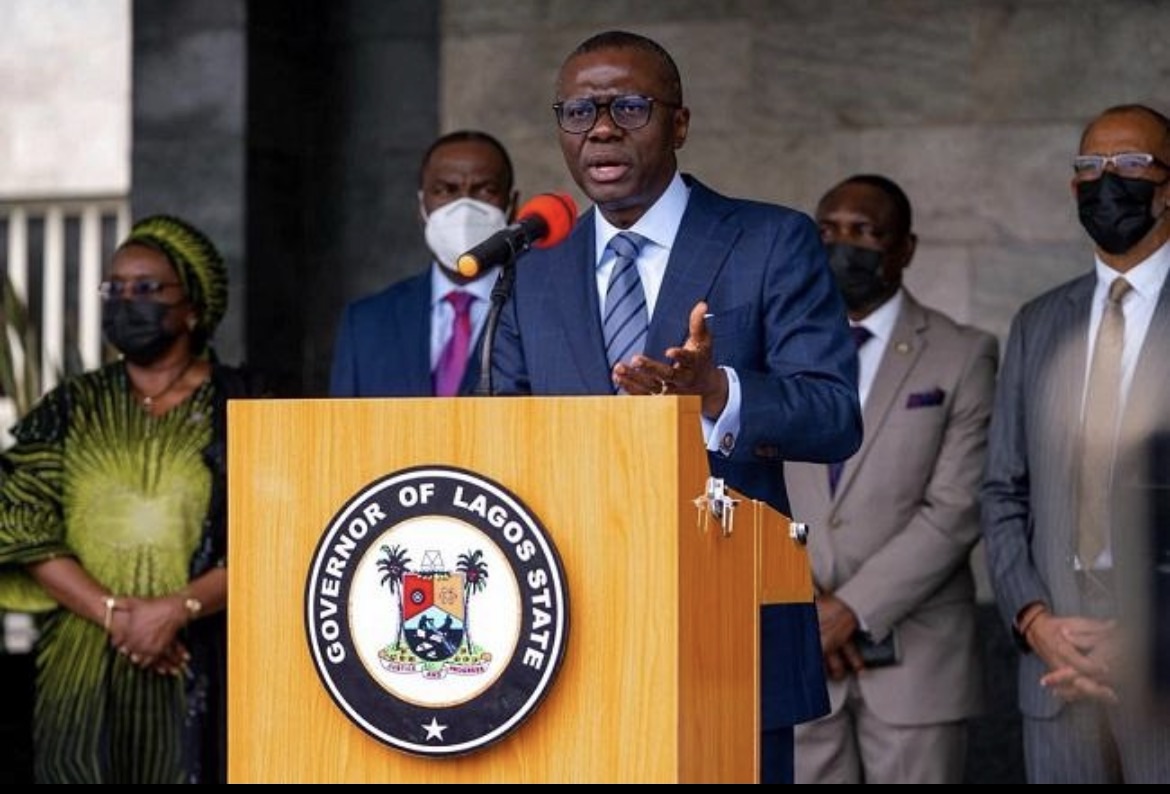
The Lagos State Government has given residents until December 31, 2026, to obtain health insurance, warning that enforcement of its mandatory coverage policy will begin on January 1, 2027.
Governor Babajide Sanwo-Olu announced the deadline on Tuesday while launching the enforcement of mandatory health insurance under Executive Order EO/BOS/01 of 2024.
The initiative is intended to reduce the financial burden of medical treatment on households and expand access to healthcare across Nigeria’s commercial capital.
New plans target workers and businesses
Alongside the enforcement announcement, the state government introduced Lagos Private Health Plans to extend coverage to salaried workers and corporate organisations.
The new arrangements are designed to complement Ilera Eko, the existing health insurance scheme serving vulnerable residents and people working in the informal sector.
The governor said the policy places responsibilities on residents, employers and government, with employers expected to treat workers’ healthcare coverage as an essential employment obligation.
The state is seeking to move away from a system in which patients rely heavily on direct payments whenever they need medical attention—a model that can leave families facing substantial expenses during illness.
Support for residents who cannot afford premiums
The Lagos State Health Management Agency said the government had increased its Health Equity Fund from ₦1 billion to ₦3 billion. The fund is intended to extend insurance coverage to more than 500,000 vulnerable residents who cannot afford the required premiums.
The government also disclosed that 21 health maintenance organisations had agreed to participate in the new private health plans.
Health Commissioner Akin Abayomi said rising medical costs, including expenses associated with modern diagnostic equipment and emerging technologies, had made an inclusive insurance system increasingly important.
Emergency treatment must not be delayed
Sanwo-Olu stressed that healthcare providers should not refuse emergency medical attention because a patient lacks insurance or cannot immediately pay. Patients requiring emergency care must first be stabilised before questions about payment or coverage are addressed.
The directive is particularly significant for families who may delay seeking treatment because they fear hospital bills.
However, the effectiveness of the policy will depend on public awareness, accessible enrolment procedures, participating healthcare facilities and the quality of services available to insured residents.
What residents should do
Residents should confirm their eligibility and enrolment options through the Lagos State Health Management Agency or an authorised health maintenance organisation before the December 31 deadline.
People in the informal sector and vulnerable households should also check whether they qualify for Ilera Eko or assistance through the Health Equity Fund.
The policy represents a major push towards wider health insurance coverage in Lagos. Its long-term value will depend on whether residents can obtain affordable plans and receive timely, dependable treatment when they need it.
