

Close Menu
The Daily Brief
    What's Hot

    Lady Helen Obareki Honours 103-Year-Old Akwa Ibom Matriarch

    November 23, 2026

    Niger Delta Youth Parliament Honours Umo Eno, Endorses Second Term Bid

    November 23, 2026

    Tree Health and the Rest of Us

    November 23, 2026
    Facebook X (Twitter) Instagram
    Trending
    • Lady Helen Obareki Honours 103-Year-Old Akwa Ibom Matriarch
    • Niger Delta Youth Parliament Honours Umo Eno, Endorses Second Term Bid
    • Tree Health and the Rest of Us
    • Akwa Ibom Police Honour Kenyon Corporation Founder Victor Ekpenyong for Security Support
    • Ime Uwah Strengthens APC Grassroots Structures, Mobilises Ward Six for 2027 Elections
    • INEC Voter Register: No Revalidation Before 2027 Polls
    • Governor Eno’s Remarkable Development Projects in Ika and Etim Ekpo
    • Tinubu Ibadan Rally: APC Names Oyo, Ogun, Lagos Candidates
    Facebook X (Twitter) Instagram
    The Daily Brief
    Subscribe
    Tuesday, November 24
    • Home
    • News
    • Politics
    • Business
    • Sports
    • Entertainment
    • Metro
    • Education
    • Technology
    • More
    The Daily Brief
    Home»Energy & Oil»Nigeria’s 3 Million-Barrel Oil Ambition Faces a $6 Billion Equipment Gap
    Energy & Oil

    Nigeria’s 3 Million-Barrel Oil Ambition Faces a $6 Billion Equipment Gap

    Jason JoshuaBy Jason JoshuaOctober 29, 2026No Comments3 Mins Read
    Share Facebook Twitter Pinterest Copy Link LinkedIn Tumblr Email VKontakte Telegram
    Screenshot
    Share
    Facebook Twitter Pinterest Email Copy Link

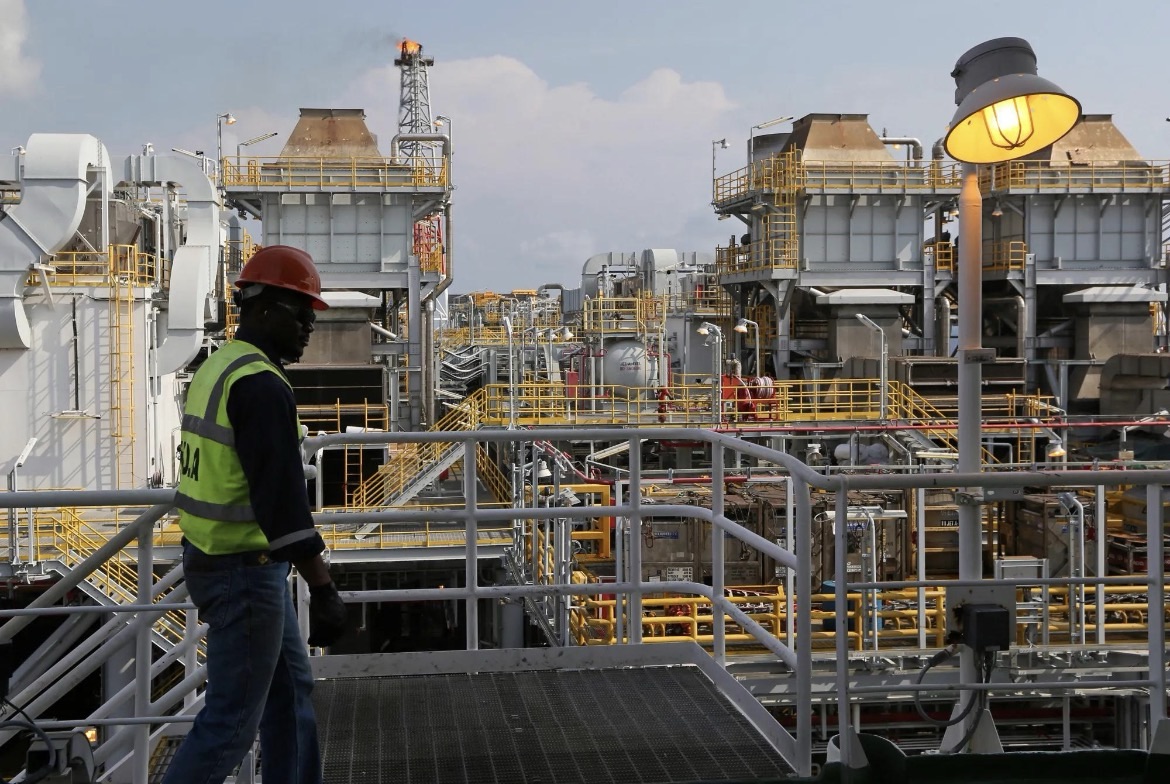
    Nigeria could struggle to achieve its ambition of producing three million barrels of crude oil daily by 2030 unless the industry secures substantial investment in equipment, infrastructure and skilled personnel, the Petroleum Technology Association of Nigeria (PETAN) has warned.

    PETAN chairman Wole Ogunsanya said the country needs approximately $6 billion worth of oilfield equipment and related hardware to increase production capacity and sustain the expansion of its petroleum industry.

    Speaking at an industry briefing in Lagos, Ogunsanya identified inadequate drilling equipment, limited funding, insufficient pipeline infrastructure and a shortage of experienced personnel as major obstacles to the country’s production ambitions.

    Production capacity remains a major constraint

    Nigeria currently produces approximately 1.7 million barrels of crude oil and condensate daily, according to figures cited by the industry association.

    Ogunsanya noted that the country had never achieved sustained production above 2.6 million barrels per day, highlighting the distance between current output and the government’s longer-term target.

    The industry needs additional wells, surface production equipment and pipelines capable of transporting crude from producing fields to processing facilities and export terminals.

    Without those investments, Nigeria risks falling short of the supply required to support its expanding domestic refining industry while meeting export commitments.

    Refinery expansion increases demand for crude

    Nigeria’s refining ambitions are adding pressure to the upstream sector.

    The Dangote Petroleum Refinery has a nameplate capacity of about 650,000 barrels per day, while BUA Group has proposed a 350,000-barrel-per-day refinery. Plans to expand Dangote’s facility and rehabilitate state-owned refineries could further increase demand for crude oil.

    However, refining capacity and crude production are different measures. A refinery’s stated capacity does not mean it is operating at full output, and actual crude requirements depend on utilisation rates, product yields and operating conditions.

    Ogunsanya argued that Nigeria must expand upstream production and supporting infrastructure if it intends to supply a larger domestic refining industry while preserving crude exports.

    Investment and skilled workers are essential

    The proposed equipment investment would need to be accompanied by stronger financing arrangements, reliable infrastructure and a workforce capable of operating and maintaining complex petroleum facilities.

    Pipeline reliability is particularly important because production gains can be undermined when crude cannot be transported safely and efficiently. Security risks, maintenance challenges and delays in developing oilfields can also affect output.

    The industry association’s warning places renewed emphasis on the need to turn Nigeria’s production ambitions into a funded, technically credible development programme.

    What this means for Nigeria

    Higher crude production could increase export earnings, improve the supply of feedstock to domestic refineries and support employment across oilfield services, engineering, logistics and manufacturing.

    But these benefits are not automatic. New investments must generate commercially viable production, while environmental protection, community relations and operational safety remain essential.

    Nigeria’s three-million-barrel target therefore depends on more than the availability of crude reserves. It requires investment in the equipment, people and transport systems needed to bring those resources to market.

    The challenge facing policymakers and operators is to close the infrastructure gap before rising refinery demand outpaces the country’s ability to produce and deliver crude.

    Share. Facebook Twitter Pinterest LinkedIn Tumblr Email Telegram Copy Link
    Jason Joshua
    • Website

    Related Posts

    Business

    Nigeria Opens Registration for 40 Oil and Gas Blocks in 2026 Licensing Round

    November 22, 2026
    Development

    FG inaugurates new CNG station in Akwa Ibom State

    November 19, 2026
    Energy & Oil

    FG commissions three gas facilities in Kano

    November 13, 2026
    Business

    NERC Approves ₦30bn for Free Electricity Meters, Sets May 2027 Installation Deadline

    November 11, 2026
    Business

    Electricity Distributors Apologise to Nigerians as Prolonged Blackouts Deepen Business Challenges

    November 9, 2026
    Energy & Oil

    Stop Hoarding Money, Release Funds for Development, Stakeholders Tell Settlor

    November 6, 2026
    Add A Comment
    Leave A Reply Cancel Reply

    Editors Picks

    Lady Helen Obareki Honours 103-Year-Old Akwa Ibom Matriarch

    November 23, 2026

    Niger Delta Youth Parliament Honours Umo Eno, Endorses Second Term Bid

    November 23, 2026

    Tree Health and the Rest of Us

    November 23, 2026

    Akwa Ibom Police Honour Kenyon Corporation Founder Victor Ekpenyong for Security Support

    November 23, 2026
    Latest Posts

    Subscribe to News

    Get the latest sports news from NewsSite about world, sports and politics.

    Advertisement
    Demo

    Your source for the serious news. This demo is crafted specifically to exhibit the use of the theme as a news site. Visit our main page for more demos.

    We're social. Connect with us:

    Facebook X (Twitter) Instagram Pinterest YouTube
    Latest Posts

    Lady Helen Obareki Honours 103-Year-Old Akwa Ibom Matriarch

    November 23, 2026

    Niger Delta Youth Parliament Honours Umo Eno, Endorses Second Term Bid

    November 23, 2026

    Tree Health and the Rest of Us

    November 23, 2026

    Subscribe to Updates

    Get the latest creative news from FooBar about art, design and business.

    © 2026 All Right Reserved by The Daily Brief .

    Type above and press Enter to search. Press Esc to cancel.