


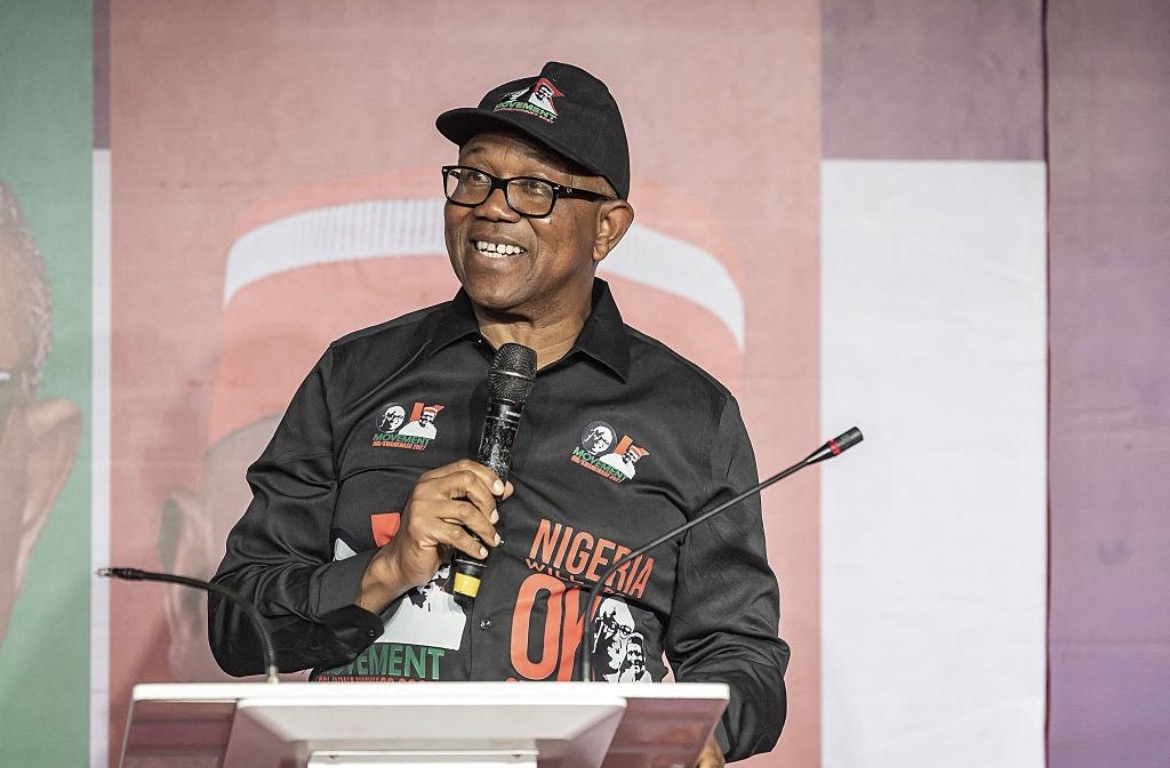
Presidential candidate of the Nigeria Democratic Congress (NDC), Peter Obi, has criticised President Bola Ahmed Tinubu’s leadership, arguing that Nigeria requires a change in leadership to address its economic, security and governance challenges ahead of the January 2027 presidential election.
Obi made the remarks on Monday at a dinner in Abuja organised to present certificates of return to candidates of the NDC for the 2027 general elections. His comments were reported by Punch Newspapers in an article published on Tuesday, October 27.
The former Anambra State governor argued that the country was facing serious difficulties and accused the Tinubu administration of lacking the competence, capacity, compassion and commitment required to address them. These are Obi’s political assessments, rather than independently established findings.
Obi raises concerns about governance
During his address, Obi questioned the president’s ability to provide the level of leadership he believes Nigeria requires. He argued that the country needs a president who is consistently available to address national problems and respond to citizens’ concerns.
His criticism comes as political parties intensify their preparations for the 2027 election, with economic hardship, unemployment, insecurity, electricity supply and the cost of living expected to feature prominently in campaign debates.
Obi also called for greater accountability in government and urged Nigerians to assess political leaders on their records and ability to deliver improvements in people’s lives.
The presidency’s position on the specific allegations in Obi’s latest remarks was not included in the Punch report.
Warning over the credibility of the 2027 election
Beyond his criticism of the president, Obi warned against attempts to manipulate the forthcoming election and called for a free, fair and credible electoral process.
He said his party would oppose efforts to undermine the integrity of the vote and urged political actors to allow candidates to campaign without intimidation.
Obi also alleged that members of his party and other Nigerians had faced harassment. He called for an end to such conduct, stressing that his preference for peaceful political engagement should not be interpreted as weakness.
These allegations would require corroboration from relevant authorities or independent investigations before individual incidents could be conclusively established.
Nationwide campaign planned
Obi said he intended to campaign across Nigeria, including in every state and senatorial zone, as the NDC seeks to build support ahead of the presidential election.
The statement signals an emphasis on nationwide mobilisation rather than limiting the party’s activities to areas where it already has an established support base.
The practical challenge for the party will be organising campaign structures across the country, communicating its policy proposals and persuading voters that its plans can address the problems it has identified.
What this means for the 2027 campaign
Obi’s remarks sharpen the political debate between the incumbent administration and the opposition. Tinubu’s campaign has defended the government’s economic reforms, including the removal of petrol subsidies, while opposition politicians have focused on the hardship those reforms have imposed on households and businesses.
The competing arguments raise several questions voters can assess during the campaign:
Economy: What specific measures would each candidate introduce to reduce living costs and expand employment?
Security: How would each administration address kidnapping, banditry and insurgency?
Electricity: What practical measures would improve reliable power supply?
Electoral integrity: What safeguards would protect votes, results transmission and the resolution of election disputes?
Accountability: How would candidates measure progress and report publicly on their promises?
The election is scheduled for January 16, 2027, according to the published electoral timetable. Obi’s latest comments add to the developing contest over leadership, policy performance and the credibility of the electoral process.
