


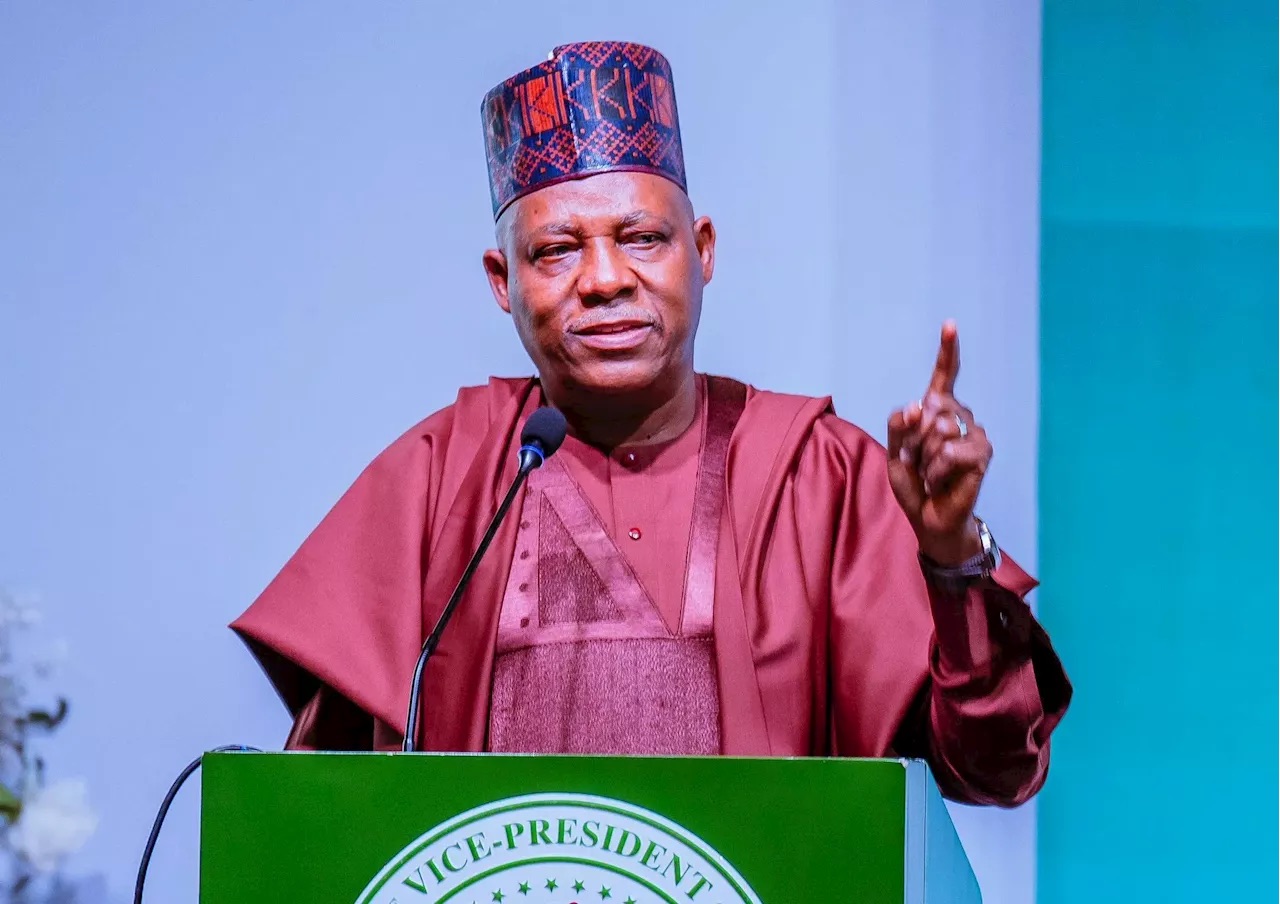
Vice President Kashim Shettima has called on Nigerian business leaders and influential citizens to support the Federal Government’s economic reform programme, warning that reversing ongoing policies could undermine efforts to stabilise the economy and promote long-term growth.
Shettima made the appeal at the 32nd Nigerian Economic Summit in Abuja on Monday, where he represented President Bola Tinubu. He urged Nigerians to look beyond immediate economic pressures and consider the potential long-term effects of policy decisions.
The Vice President argued that economic policies should remain consistent across successive administrations, regardless of which political party is in power. He said continuity would help businesses plan investments with greater certainty and reduce the disruption associated with frequent policy changes.
Government Defends Difficult Economic Decisions
Shettima defended the removal of petrol subsidies, describing the previous arrangement as a substantial burden on government finances. He maintained that difficult decisions were necessary to address longstanding economic challenges and create room for other priorities.
The subsidy removal and foreign-exchange reforms have remained central to the government’s economic strategy. However, their effects on petrol prices, transport costs and household purchasing power continue to shape public debate.
For businesses, changes in fuel prices and foreign-exchange conditions can affect production costs, distribution, access to imported inputs and the prices consumers pay for goods and services.
Policy Stability Seen as Important for Investment
The Vice President called for future administrations to maintain policies that support economic growth rather than abandon them because of political differences.
A stable policy environment can help businesses make longer-term decisions, particularly in sectors such as manufacturing, agriculture, energy and infrastructure, where investment often requires substantial capital and years to generate returns.
However, policy continuity alone may not guarantee stronger economic performance. Businesses also require reliable electricity, affordable financing, efficient transport systems and predictable regulations to expand production and create jobs.
The Challenge of Turning Reforms Into Results
The government’s economic programme continues to face the challenge of translating policy changes into measurable improvements in living standards.
While the administration argues that its reforms are intended to strengthen public finances and improve economic stability, households and businesses remain concerned about the cost of living and the expense of running commercial operations.
The summit has therefore renewed attention on how government policies can move beyond economic stabilisation to generate productive employment, attract investment and improve incomes.
For Nigeria’s business community, the critical test will be whether policy consistency and ongoing reforms lead to lower operating costs, stronger consumer demand and a more predictable environment for investment.
As discussions continue at the economic summit, the government’s appeal for sustained support places the focus on both the long-term direction of economic policy and the need for ordinary Nigerians to experience tangible benefits.
