


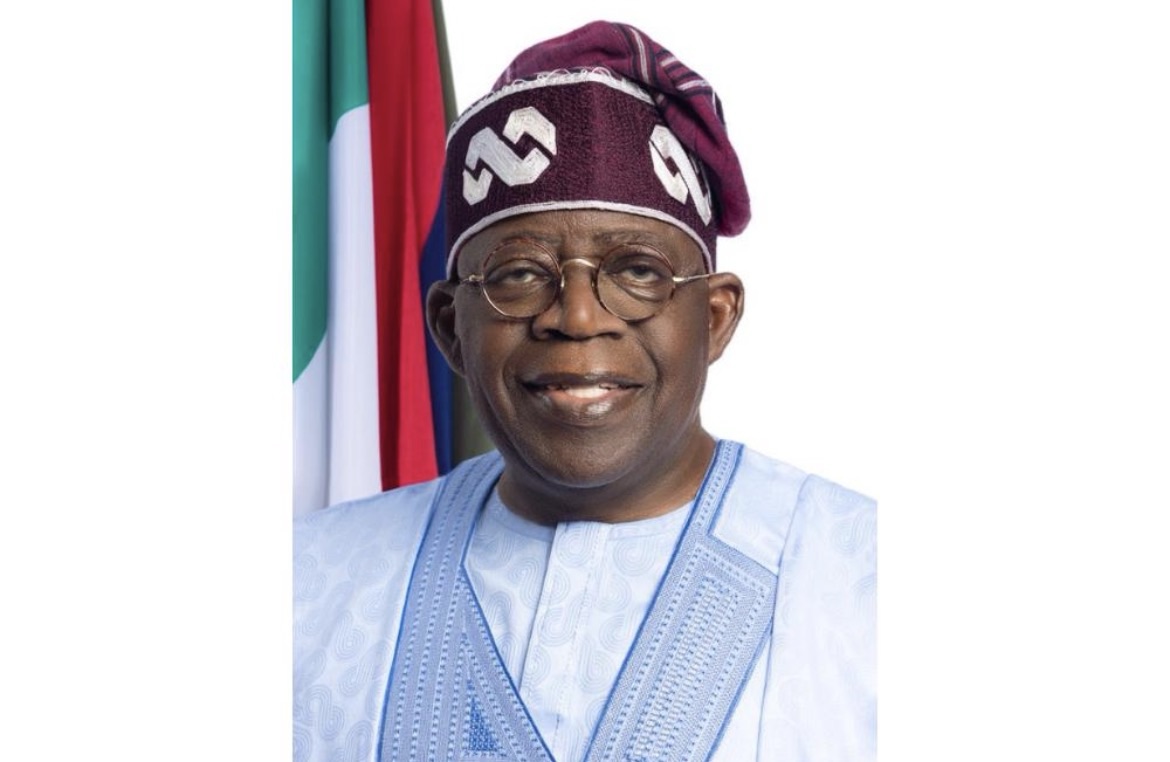
President Bola Tinubu has asked the National Assembly to approve a supplementary external borrowing plan worth approximately $20.52 billion and €1.045 billion for projects and programmes planned for 2026 and 2027.
The request has triggered criticism from opposition figures, who are demanding greater transparency over how the proposed loans would be spent and whether the country can sustain additional foreign borrowing.
In a letter presented to the Senate, Tinubu said the financing would support critical sectors, including infrastructure, agriculture, healthcare, education, water supply, security and employment generation.
The President argued that Nigeria needed additional funding to address its infrastructure deficit, sustain economic growth and expand opportunities for businesses and workers. He said the projects covered by the proposal had undergone technical and economic assessments.
Senate begins review of the proposal
Senate President Godswill Akpabio referred the borrowing request to the Senate Committee on Local and Foreign Debts and directed it to report back within one week.
The proposal has not yet received final legislative approval. Lawmakers are expected to examine the request before deciding whether the government should proceed with the additional external financing.
The President said the investments would be implemented across the 36 states and the Federal Capital Territory, with power, transportation and healthcare among the priority areas.
However, the details presented to the Senate did not provide a complete project-by-project breakdown, including the precise costs, financing conditions and allocation of funds to individual projects.
Atiku questions the borrowing plan
Former Vice-President Atiku Abubakar criticised the request, arguing that Nigerians had not been given sufficient information about the projects the money would finance.
Atiku, who is associated with the African Democratic Congress, said the government should publish the proposed projects, contracts, costs, contractors and repayment obligations before lawmakers approve the borrowing.
He also raised concerns about the possibility of public funds being used for political purposes. These claims are allegations and have not been established as facts.
The ADC Presidential Campaign Council separately opposed the proposal, warning that continued dependence on foreign loans could increase the country’s financial vulnerability.
The opposition’s central argument is that borrowing on this scale must be accompanied by clear evidence of how the funds will improve public services, generate employment and strengthen the economy.
Government also seeks approval to settle domestic debts
In a separate request, the President sought legislative approval for a Promissory Note Programme covering approximately ₦269.44 billion in verified outstanding government liabilities.
The obligations include contractual commitments and project-related debts owed to various creditors. The government says the programme would provide a structured means of settling legitimate claims while limiting the accumulation of additional interest and penalties.
The proposal is subject to legislative approval and further verification of the liabilities involved.
What the borrowing could mean for Nigerians
If approved, the external borrowing plan could provide funding for infrastructure and public services that require substantial capital investment. Well-selected and properly executed projects could improve transportation, electricity, healthcare and agricultural productivity.
But additional borrowing also creates future repayment obligations. The economic benefit will depend on the terms of the loans, how effectively the money is deployed and whether the projects generate sufficient public value to justify their cost.
For Nigerians already facing pressure from living expenses, the debate goes beyond the size of the proposed loans. It raises questions about transparency, debt management and the government’s ability to demonstrate measurable results from borrowed funds.
The National Assembly’s review will therefore be an important test of whether the proposal offers a sufficiently clear and accountable plan for financing the country’s development priorities.
