

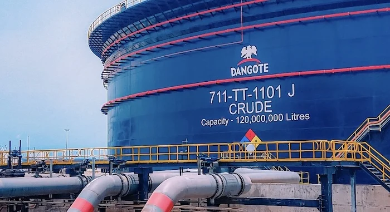
The planned public offering linked to Dangote Refinery has attracted investor interest from 119 countries, highlighting the international attention surrounding one of Africa’s most significant industrial investments.
The strong response points to the potential appeal of the refinery to investors seeking exposure to Nigeria’s energy sector. However, expressions of interest do not necessarily translate into completed share purchases, and the final allocation will determine how much participation investors ultimately secure.
A major test for Nigeria’s capital market
The offering could become an important milestone for Nigeria’s capital market by giving a broader range of investors an opportunity to participate in a large domestic industrial enterprise.
For the refinery, wider investor participation could strengthen its financial profile and increase public ownership, depending on the final structure and terms of the offer.
The reported interest from investors across 119 countries also demonstrates the international reach of the project. Yet the level of demand must be assessed alongside the final offer price, the number of shares available and the conditions attached to participation.
Allocation remains a key question
High investor demand can create pressure when the number of shares sought exceeds the quantity available. In such circumstances, the offer’s organisers must determine how shares will be distributed among eligible applicants.
Investors will need to examine the prospectus and official offer documents for details on eligibility, pricing, application procedures, fees and the risks associated with investing.
The refinery’s size and strategic importance do not remove the ordinary risks of equity investment. Prospective shareholders should consider its financial performance, operating costs, access to crude oil, market conditions and the wider outlook for petroleum products.
What it could mean for Nigeria
A successful offering could deepen domestic investment opportunities and strengthen public participation in a major industrial asset. It may also encourage other large Nigerian businesses to consider the capital market as a source of long-term funding.
The eventual impact will depend on the offer’s terms, the quality of disclosure and how the company performs after the investment process.
For now, interest from 119 countries signals substantial international attention. The more important test will be whether the offering converts that interest into sustainable investment and delivers value to shareholders and the Nigerian economy.
