


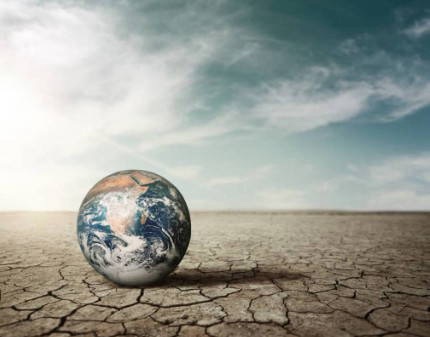
Climate change and extreme weather events have become issues of growing concern across the world. From prolonged droughts and devastating floods to rising temperatures, food shortages and disruptions to livelihoods, the effects of changing weather patterns are increasingly felt by communities, governments and economies. One important natural climate phenomenon that contributes to these changes is El Niño.
Although the term may sound unfamiliar to many people, its consequences can be far-reaching, affecting agriculture, water supply, public health, electricity generation, transportation and the general cost of living. Understanding what El Niño is, how it develops, how long it lasts and what can be done to reduce its effects is therefore essential for informed citizens and responsible public policy.
El Niño is a naturally occurring climate phenomenon characterised by the unusual warming of surface waters in the central and eastern equatorial Pacific Ocean. It is one of the two main phases of the El Niño–Southern Oscillation (ENSO), a climate pattern that influences weather conditions across different parts of the world. The other main phase is La Niña, which is generally associated with cooler-than-usual sea surface temperatures in the same region.
Under normal conditions, trade winds blow from east to west across the tropical Pacific, pushing warm surface water towards Asia and Australia. This allows cooler water to rise near the coast of South America. During El Niño, these trade winds weaken, allowing warm water to spread eastward and changing the interaction between the ocean and the atmosphere.
The resulting changes in atmospheric circulation can alter rainfall patterns, temperatures and storm activity in distant regions. However, El Niño does not produce the same effects everywhere. While some places experience drought and extreme heat, others may receive unusually heavy rainfall and face increased flooding.
It is important to understand that El Niño is not simply another name for global warming. It is a natural climate cycle, although its effects can interact with human-induced climate change and make certain extreme weather events more severe.
What Causes El Niño?
El Niño develops through a complex interaction between ocean temperatures, atmospheric pressure and wind patterns over the tropical Pacific Ocean. It is not caused by a single human activity or by pollution alone.
The process begins when the normal trade winds weaken or change. Warm surface waters that would ordinarily remain concentrated in the western Pacific move towards the central and eastern Pacific. At the same time, the normal pattern of cold water rising from deeper ocean layers becomes weaker in some areas.
As the ocean warms, it changes where clouds form and where rainfall occurs. These changes influence atmospheric pressure and winds, which can further reinforce the warming of the ocean. This interaction between the sea and the atmosphere allows El Niño to develop and persist.
Scientists cannot prevent this natural process from occurring, but they can monitor ocean temperatures, wind patterns and atmospheric conditions to identify its development and forecast its likely consequences.
Effects of El Niño on People and the Environment
The effects of El Niño vary from one region to another, but several consequences deserve serious attention.
First, El Niño can contribute to drought and water shortages. In regions where rainfall declines, rivers, reservoirs and groundwater supplies may be reduced. Communities that depend on rain-fed agriculture and natural water sources can experience severe hardship.
Second, the phenomenon can affect food production. Irregular rainfall, prolonged dry spells and unusually high temperatures can damage crops, reduce pasture for livestock and lower agricultural yields. Where food supplies become scarce, market prices may rise, increasing the burden on low-income households.
Third, El Niño can increase the risk of heat-related illnesses. Higher temperatures can contribute to dehydration, heat exhaustion and other health problems, particularly among children, older people, outdoor workers and individuals with existing vulnerabilities. Drought can also worsen sanitation where water becomes scarce.
Fourth, El Niño can increase the risk of flooding in regions that experience unusually heavy rainfall. Excessive rain may destroy homes, damage roads, wash away crops and contaminate drinking-water sources. Flooding can also encourage the spread of certain waterborne diseases and disrupt access to schools and healthcare facilities.
Fifth, electricity generation and economic activities may be affected. Countries that rely heavily on hydropower can experience reduced electricity production during droughts. Agricultural losses, damaged infrastructure, disrupted transportation and higher food prices can place additional pressure on national and household finances.
Finally, ecosystems and wildlife may suffer when water temperatures rise, rainfall patterns change and habitats become less suitable for certain species. Marine ecosystems can be particularly affected because El Niño changes ocean conditions and the availability of nutrients that support marine life.
These consequences demonstrate why El Niño should not be regarded as a distant scientific issue. Its effects can reach the dinner table, the farm, the marketplace, the hospital and the national economy.
How Long Does El Niño Last?
El Niño does not have a fixed duration. It commonly develops every two to seven years, although the interval varies. Individual events typically last around nine to twelve months, but some persist longer and may continue for more than a year.
The phenomenon often begins developing during the middle or latter part of a calendar year, reaches its strongest phase towards the end of the year and weakens during the following year. However, this is a general pattern, not a timetable that applies to every event.
Its duration and intensity depend on oceanic and atmospheric conditions. Some episodes are relatively weak, while others become strong enough to produce substantial disruptions to weather patterns around the world.
It is also important to distinguish between the duration of El Niño itself and the duration of its consequences. Even after ocean temperatures return towards normal, communities may continue to experience the effects of crop failures, damaged infrastructure, depleted water supplies and economic losses.
For this reason, preparation should not end immediately when an El Niño episode weakens. Recovery may require months or years, depending on the severity of the damage.
Can El Niño Be Prevented?
The direct answer is no. El Niño is a natural climate phenomenon, and humans cannot stop it from developing or directly control its duration and intensity. However, its damaging effects can be reduced through effective planning, early warnings, public education and investment in climate resilience.
This distinction is important. Although we cannot prevent the warming of the Pacific Ocean that triggers El Niño, we can prevent many of the avoidable losses that occur when communities are unprepared.
Governments must therefore invest in reliable weather forecasting, effective disaster-management systems, climate-resilient infrastructure and public awareness campaigns. Relevant agencies should communicate warnings in languages and formats that ordinary citizens can understand, ensuring that information reaches rural communities, farmers, traders and other vulnerable groups.
Farmers, for instance, should receive timely seasonal forecasts to guide their decisions on planting dates, crop selection and water management. Communities vulnerable to flooding should have effective drainage systems, properly planned settlements and accessible evacuation routes. Where drought is likely, governments and communities should strengthen water storage, promote efficient irrigation and encourage the cultivation of crops suited to local climatic conditions.
Individuals also have a responsibility to prepare. Households should conserve water, avoid indiscriminate tree felling, maintain clean drainage channels and pay attention to official weather alerts. During periods of extreme heat, people should stay hydrated, limit strenuous outdoor activities during the hottest hours and take special care of children, elderly people and those whose occupations expose them to prolonged sunshine.
In addition, environmental protection must become a shared responsibility. Afforestation, responsible land use, proper waste disposal and the reduction of greenhouse gas emissions can strengthen communities against wider environmental risks. These measures will not stop El Niño, but they can reduce vulnerability to its effects and to other climate-related hazards.
What Should Nigeria Do?
For Nigeria, the lesson is clear: climate preparedness must be treated as a development priority rather than an emergency measure introduced only after disaster strikes.
The Federal Government, state governments and local councils should strengthen collaboration among meteorological agencies, emergency-management authorities, agricultural extension services, health institutions and environmental departments. Seasonal climate information should be translated into practical guidance that helps citizens make informed decisions.
The Nigerian Meteorological Agency (NiMet) should continue to provide accessible forecasts and early warnings, while the National Emergency Management Agency (NEMA) and state emergency-management agencies should use relevant information to prepare for potential hazards. The Nigerian Hydrological Services Agency (NIHSA) also has an important role in providing flood forecasts and information on water-related risks.
In states such as Akwa Ibom, where agriculture, fishing, coastal livelihoods and communities near rivers and waterways are important to local economic life, preparedness should reflect the particular risks facing each area. Heavy rainfall may threaten low-lying communities through flooding, erosion and damage to roads, while prolonged dry conditions can affect crops, water availability and livestock.
State and local authorities should therefore identify vulnerable communities, improve drainage and waste management, protect wetlands, maintain waterways and ensure that emergency response plans are functional. Public education should also explain the difference between a general climate forecast and a confirmed local warning, so that residents neither panic unnecessarily nor dismiss genuine risks.
Farmers should be supported with climate information, improved seed varieties, irrigation where appropriate, better storage facilities and practical training on climate-smart agriculture. Such measures can reduce post-harvest losses, protect rural incomes and improve food availability when weather conditions become unfavourable.
Above all, governments must avoid relying on a single forecast or assuming that every El Niño event will produce identical conditions. The effects differ by region, season and event intensity. Local decisions should therefore be based on current Nigerian forecasts and assessments, not merely on global predictions.
Public Education Is a Powerful Defence
One of the greatest dangers associated with climate phenomena is the gap between scientific knowledge and public understanding. A warning issued by experts is of limited value if citizens do not understand what it means, how it affects them or what action they should take.
Schools, community associations, religious institutions, traditional rulers, civil society organisations and the media all have a responsibility to bridge this gap. Radio programmes, newspaper editorials, community meetings and social media campaigns can help explain climate risks in accessible language.
Journalists, in particular, should report climate-related developments accurately, relying on credible scientific and government sources rather than sensational headlines or unverified predictions. The public must understand that El Niño does not automatically mean catastrophe for every country, nor does every flood, drought or heatwave result from El Niño alone.
Responsible reporting should distinguish between established facts, scientific projections and uncertainties. It should also provide practical information on protecting lives, livelihoods and property.
Public education must go beyond describing the problem. It should empower people with the knowledge to act before a crisis develops.
Conclusion: Preparation Is Better Than Panic
El Niño reminds humanity that the natural systems governing our climate are interconnected and capable of producing consequences far beyond the places where they originate. A warming ocean thousands of kilometres away can influence rainfall, temperatures, food production and livelihoods in distant parts of the world.
Although El Niño cannot be prevented, its effects need not translate into widespread suffering. Scientific forecasting, responsible governance, environmental protection, climate-smart agriculture and informed public participation can significantly reduce the risks.
The challenge before Nigeria and other vulnerable countries is to move from reactive disaster management to proactive preparedness. Governments must plan ahead, institutions must communicate effectively and citizens must take environmental warnings seriously.
As climate pressures continue to challenge development, the measure of responsible leadership will not simply be how quickly authorities respond after disaster strikes, but how effectively they prepare communities before it happens.
We may not control the climate, but we can control how prepared we are for its challenges. El Niño should therefore be a call to knowledge, vigilance and collective action—not fear, confusion or complacency.
