


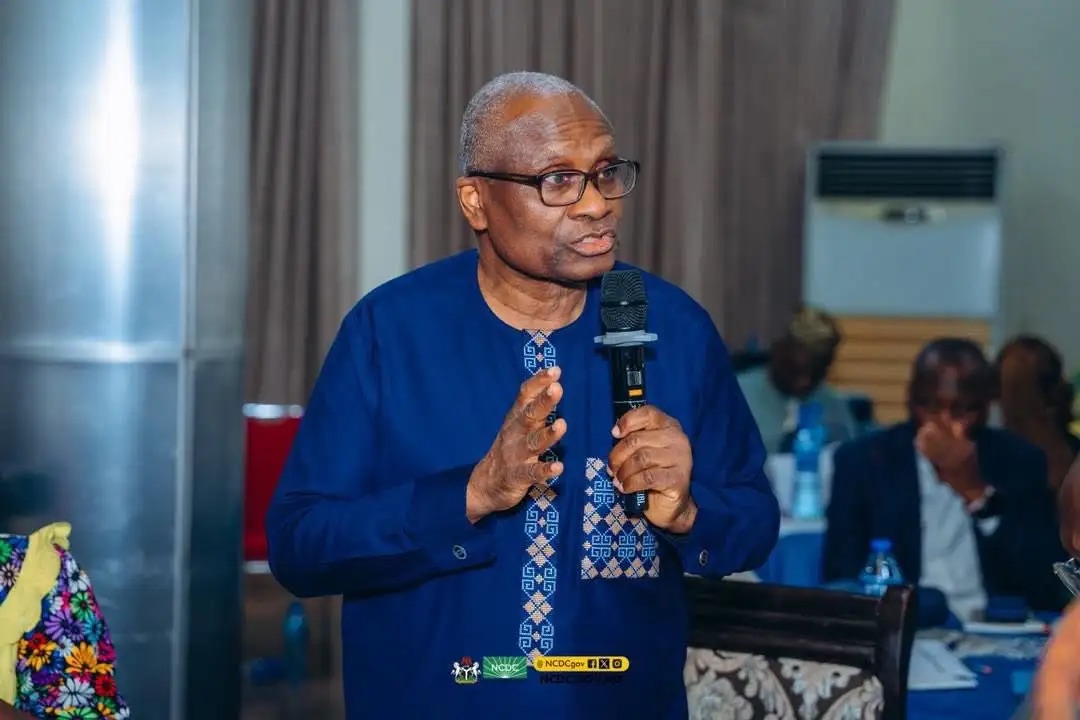
Nigeria has recorded no additional confirmed cases of Ebola Virus Disease, 21 days after confirming an imported case of the Bundibugyo virus in a traveller from Uganda, the Nigeria Centre for Disease Control and Prevention (NCDC) has announced.
The agency disclosed the development in a statement signed by its Director-General, Jide Idris, noting that Nigeria had confirmed only one imported case as of November 9, 2026.
According to the NCDC, 62 people were identified as contacts of the confirmed case. Of this number, 34 had completed their individual 21-day monitoring period, while 28 remained under surveillance.
The agency clarified that the 21 days since confirmation of the initial case should not be confused with the individual monitoring period for each contact. It stressed that being identified as a contact does not mean that a person has contracted Ebola. Monitoring is intended to identify possible symptoms early and ensure a prompt public health response.
The NCDC said surveillance activities, contact tracing and investigations into reported alerts were continuing across the country. It urged healthcare workers in public and private facilities to remain vigilant, obtain patients’ travel histories and possible exposure details, and promptly notify public health authorities whenever Ebola is suspected.
The agency also advised anyone experiencing symptoms after possible exposure to avoid contact with others and call its toll-free line, 6232, for guidance before travelling to a health facility.
Beyond Ebola, the NCDC raised concerns about other infectious diseases affecting parts of the country, including dengue fever, chikungunya and diphtheria.
It disclosed that dengue fever had been confirmed in Sokoto and Zamfara states, while chikungunya had also been confirmed in Sokoto. National Rapid Response Teams, including entomologists from the National Arbovirus Research Centre in Enugu, were deployed to support affected states with case identification, laboratory investigations, clinical readiness, community engagement and mosquito control.
The agency warned Nigerians against assuming that every fever is malaria, explaining that dengue and chikungunya can also cause fever, headaches and body or joint pains. It advised residents to eliminate stagnant water, cover water containers and protect themselves against mosquito bites, including during the daytime.
The NCDC further urged state governments to strengthen surveillance, diagnostic capacity and vaccination efforts against cerebrospinal meningitis as the dry season advances. It also called on parents to ensure that children who missed routine immunisation receive appropriate guidance and catch-up vaccinations.
With Nigeria approaching the period when Lassa fever cases historically increase, the agency urged health facilities and state authorities to strengthen testing, treatment preparedness and infection prevention measures.
The agency also called for improved public health arrangements ahead of the festive season, particularly at events and mass gatherings where increased travel and crowding may create additional health risks.
Although the absence of new confirmed Ebola cases is encouraging, the NCDC emphasised that continued surveillance and preparedness remain necessary to protect public health and prevent further transmission.
