


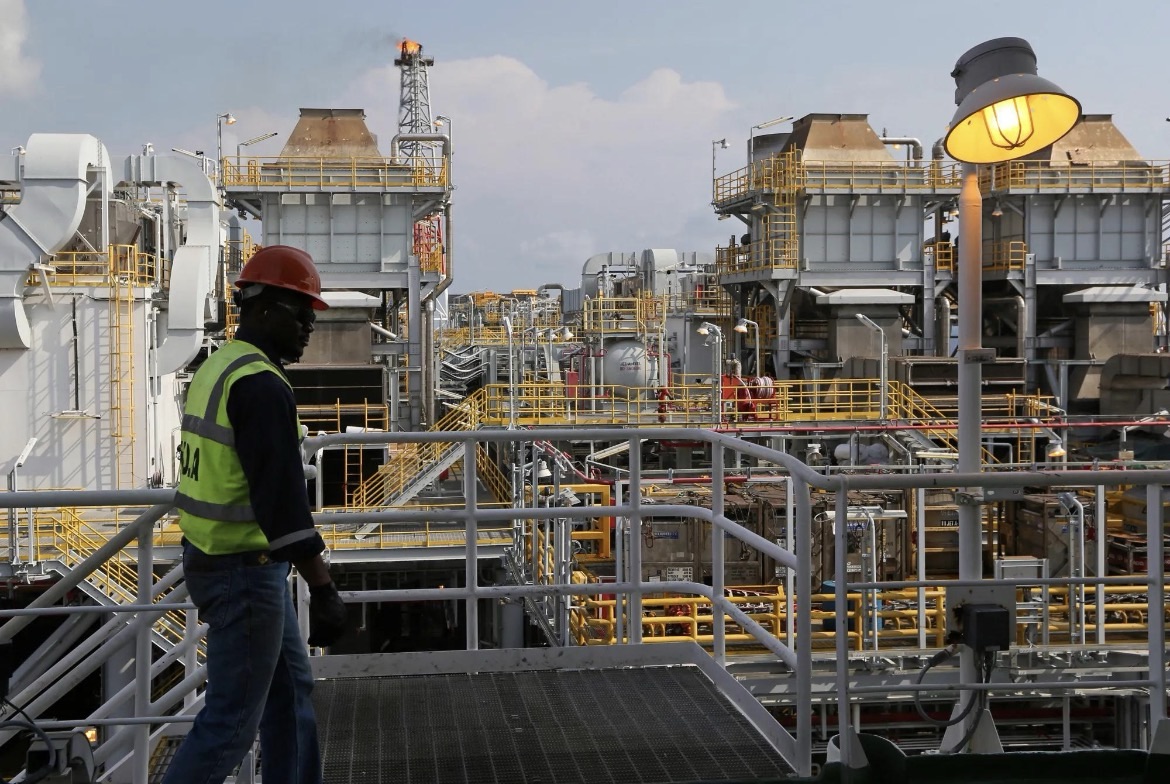
Nigeria could struggle to achieve its ambition of producing three million barrels of crude oil daily by 2030 unless the industry secures substantial investment in equipment, infrastructure and skilled personnel, the Petroleum Technology Association of Nigeria (PETAN) has warned.
PETAN chairman Wole Ogunsanya said the country needs approximately $6 billion worth of oilfield equipment and related hardware to increase production capacity and sustain the expansion of its petroleum industry.
Speaking at an industry briefing in Lagos, Ogunsanya identified inadequate drilling equipment, limited funding, insufficient pipeline infrastructure and a shortage of experienced personnel as major obstacles to the country’s production ambitions.
Production capacity remains a major constraint
Nigeria currently produces approximately 1.7 million barrels of crude oil and condensate daily, according to figures cited by the industry association.
Ogunsanya noted that the country had never achieved sustained production above 2.6 million barrels per day, highlighting the distance between current output and the government’s longer-term target.
The industry needs additional wells, surface production equipment and pipelines capable of transporting crude from producing fields to processing facilities and export terminals.
Without those investments, Nigeria risks falling short of the supply required to support its expanding domestic refining industry while meeting export commitments.
Refinery expansion increases demand for crude
Nigeria’s refining ambitions are adding pressure to the upstream sector.
The Dangote Petroleum Refinery has a nameplate capacity of about 650,000 barrels per day, while BUA Group has proposed a 350,000-barrel-per-day refinery. Plans to expand Dangote’s facility and rehabilitate state-owned refineries could further increase demand for crude oil.
However, refining capacity and crude production are different measures. A refinery’s stated capacity does not mean it is operating at full output, and actual crude requirements depend on utilisation rates, product yields and operating conditions.
Ogunsanya argued that Nigeria must expand upstream production and supporting infrastructure if it intends to supply a larger domestic refining industry while preserving crude exports.
Investment and skilled workers are essential
The proposed equipment investment would need to be accompanied by stronger financing arrangements, reliable infrastructure and a workforce capable of operating and maintaining complex petroleum facilities.
Pipeline reliability is particularly important because production gains can be undermined when crude cannot be transported safely and efficiently. Security risks, maintenance challenges and delays in developing oilfields can also affect output.
The industry association’s warning places renewed emphasis on the need to turn Nigeria’s production ambitions into a funded, technically credible development programme.
What this means for Nigeria
Higher crude production could increase export earnings, improve the supply of feedstock to domestic refineries and support employment across oilfield services, engineering, logistics and manufacturing.
But these benefits are not automatic. New investments must generate commercially viable production, while environmental protection, community relations and operational safety remain essential.
Nigeria’s three-million-barrel target therefore depends on more than the availability of crude reserves. It requires investment in the equipment, people and transport systems needed to bring those resources to market.
The challenge facing policymakers and operators is to close the infrastructure gap before rising refinery demand outpaces the country’s ability to produce and deliver crude.
