


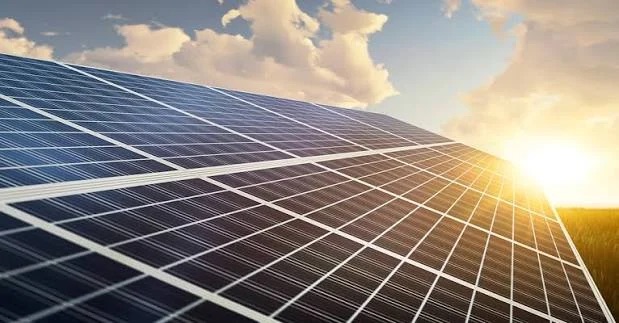
Growing concerns over unreliable electricity supply are pushing more Nigerian households and businesses towards solar energy, with the country’s annual solar installations projected to exceed 200 megawatts in 2026.
The projection reflects the increasing demand for alternatives to the national grid, as consumers seek more dependable electricity for homes, commercial activities and essential services.
The Africa Solar Industry Association’s Director of Operations, Benjamin Clarke, disclosed the projection on Thursday while announcing the 2026 edition of the Renewable Energy Forum Africa, scheduled to take place in Lagos on November 25 and 26.
The expected growth highlights the expanding role of solar power in Nigeria’s energy market. Businesses and households are increasingly considering solar systems to reduce their dependence on grid electricity and manage the cost and disruption associated with alternative power sources.
Solar energy has become particularly relevant to small businesses, offices and households that require consistent electricity for daily operations. However, the pace of adoption is influenced by the cost of equipment, access to financing, installation standards and the availability of reliable maintenance services.
Industry discussions at the forthcoming forum are expected to focus on renewable energy investment and the opportunities for expanding access to cleaner and more dependable electricity across Africa.
For Nigeria, the projected increase in solar installations represents an important development in the country’s efforts to diversify its energy supply. Nevertheless, expanding solar capacity will require policies that make equipment more affordable, encourage investment and improve access to financing.
While solar power may not immediately replace the national grid, its growing adoption offers consumers another option in a country where reliable electricity remains a major concern.
The challenge for policymakers and industry operators will be to turn the growing interest in renewable energy into sustainable investment and wider access, particularly for households and businesses that cannot afford expensive energy systems.
