
Close Menu
The Daily Brief
    What's Hot

    Akwa Ibom not involved in opposition harassment – Ven. Richard Peters

    November 9, 2026

    Electricity Distributors Apologise to Nigerians as Prolonged Blackouts Deepen Business Challenges

    November 9, 2026

    UN Chief Warns World Has Entered a New Era of Climate Extremes, Urges Global Action

    November 9, 2026
    Facebook X (Twitter) Instagram
    Trending
    • Akwa Ibom not involved in opposition harassment – Ven. Richard Peters
    • Electricity Distributors Apologise to Nigerians as Prolonged Blackouts Deepen Business Challenges
    • UN Chief Warns World Has Entered a New Era of Climate Extremes, Urges Global Action
    • EU Targets December Deadline to Select Christine Lagarde’s Successor at ECB
    • French Olympic Champion Teddy Riner Enters 2027 Presidential Race
    • Death Toll From Saudi Airstrikes in Yemen Rises to 44, Houthis Report
    • COP31 Opens in Türkiye as Global Powers Face Pressure Over Climate Commitments and Funding
    • Trump Pledges Political Comeback as Democrats Prepare Congressional Investigations
    Facebook X (Twitter) Instagram
    The Daily Brief
    Subscribe
    Monday, November 9
    • Home
    • News
    • Politics
    • Business
    • Sports
    • Entertainment
    • Metro
    • Education
    • Technology
    • More
    The Daily Brief
    Home»Energy & Oil»Nigeria’s 3 Million-Barrel Oil Ambition Faces a $6 Billion Equipment Gap
    Energy & Oil

    Nigeria’s 3 Million-Barrel Oil Ambition Faces a $6 Billion Equipment Gap

    Jason JoshuaBy Jason JoshuaOctober 29, 2026No Comments3 Mins Read
    Share Facebook Twitter Pinterest Copy Link LinkedIn Tumblr Email VKontakte Telegram
    Screenshot
    Share
    Facebook Twitter Pinterest Email Copy Link

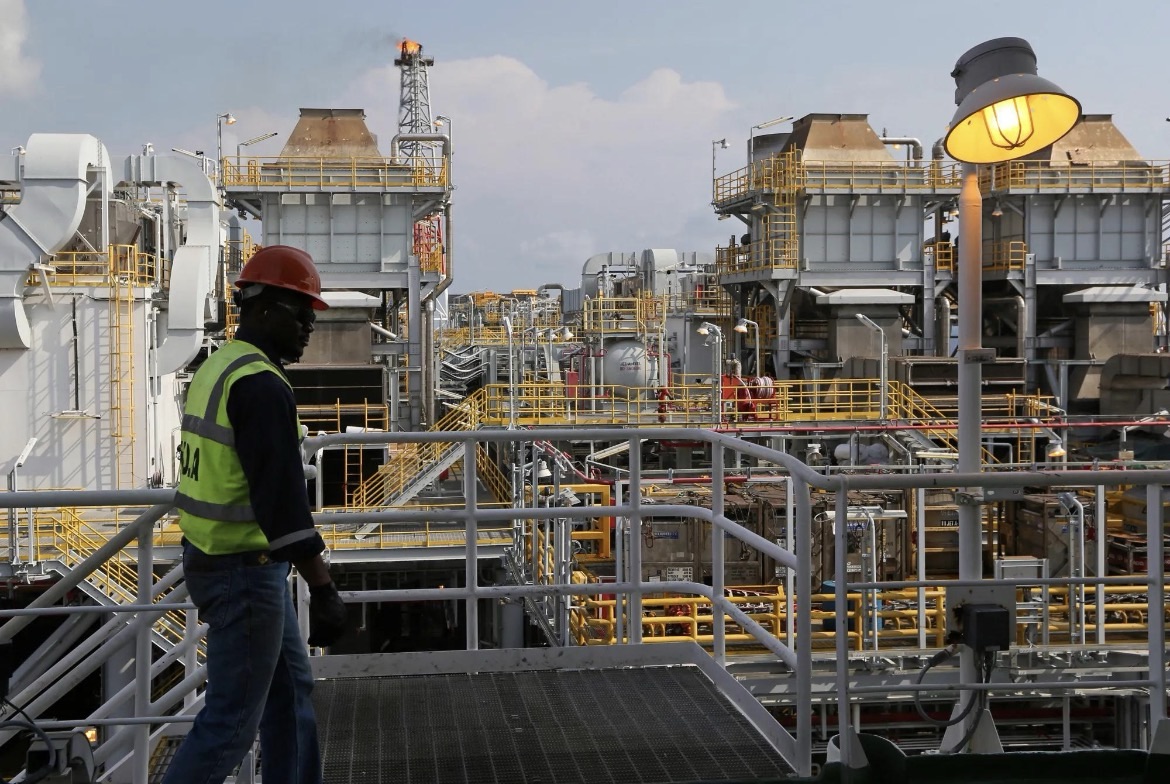
    Nigeria could struggle to achieve its ambition of producing three million barrels of crude oil daily by 2030 unless the industry secures substantial investment in equipment, infrastructure and skilled personnel, the Petroleum Technology Association of Nigeria (PETAN) has warned.

    PETAN chairman Wole Ogunsanya said the country needs approximately $6 billion worth of oilfield equipment and related hardware to increase production capacity and sustain the expansion of its petroleum industry.

    Speaking at an industry briefing in Lagos, Ogunsanya identified inadequate drilling equipment, limited funding, insufficient pipeline infrastructure and a shortage of experienced personnel as major obstacles to the country’s production ambitions.

    Production capacity remains a major constraint

    Nigeria currently produces approximately 1.7 million barrels of crude oil and condensate daily, according to figures cited by the industry association.

    Ogunsanya noted that the country had never achieved sustained production above 2.6 million barrels per day, highlighting the distance between current output and the government’s longer-term target.

    The industry needs additional wells, surface production equipment and pipelines capable of transporting crude from producing fields to processing facilities and export terminals.

    Without those investments, Nigeria risks falling short of the supply required to support its expanding domestic refining industry while meeting export commitments.

    Refinery expansion increases demand for crude

    Nigeria’s refining ambitions are adding pressure to the upstream sector.

    The Dangote Petroleum Refinery has a nameplate capacity of about 650,000 barrels per day, while BUA Group has proposed a 350,000-barrel-per-day refinery. Plans to expand Dangote’s facility and rehabilitate state-owned refineries could further increase demand for crude oil.

    However, refining capacity and crude production are different measures. A refinery’s stated capacity does not mean it is operating at full output, and actual crude requirements depend on utilisation rates, product yields and operating conditions.

    Ogunsanya argued that Nigeria must expand upstream production and supporting infrastructure if it intends to supply a larger domestic refining industry while preserving crude exports.

    Investment and skilled workers are essential

    The proposed equipment investment would need to be accompanied by stronger financing arrangements, reliable infrastructure and a workforce capable of operating and maintaining complex petroleum facilities.

    Pipeline reliability is particularly important because production gains can be undermined when crude cannot be transported safely and efficiently. Security risks, maintenance challenges and delays in developing oilfields can also affect output.

    The industry association’s warning places renewed emphasis on the need to turn Nigeria’s production ambitions into a funded, technically credible development programme.

    What this means for Nigeria

    Higher crude production could increase export earnings, improve the supply of feedstock to domestic refineries and support employment across oilfield services, engineering, logistics and manufacturing.

    But these benefits are not automatic. New investments must generate commercially viable production, while environmental protection, community relations and operational safety remain essential.

    Nigeria’s three-million-barrel target therefore depends on more than the availability of crude reserves. It requires investment in the equipment, people and transport systems needed to bring those resources to market.

    The challenge facing policymakers and operators is to close the infrastructure gap before rising refinery demand outpaces the country’s ability to produce and deliver crude.

    Share. Facebook Twitter Pinterest LinkedIn Tumblr Email Telegram Copy Link
    Jason Joshua
    • Website

    Related Posts

    Business

    Electricity Distributors Apologise to Nigerians as Prolonged Blackouts Deepen Business Challenges

    November 9, 2026
    Energy & Oil

    Stop Hoarding Money, Release Funds for Development, Stakeholders Tell Settlor

    November 6, 2026
    Energy & Oil

    No Plans to Sell Ibom Power Plant – Commissioner for Power / Becomes 17th State to Establish Independent Electricity Market 

    November 2, 2026
    Energy & Oil

    Gov. Eno Advances Electricity Sector Reforms, Targets Quality Power Supply to All Akwa Ibom Households

    October 30, 2026
    Business

    EMOIMEE Trust Records Gains in Health, Education, Infrastructure at Third AGM 

    October 30, 2026
    Energy & Oil

    Nigeria’s Solar Installations Could Exceed 200MW as Grid Challenges Drive Demand

    October 30, 2026
    Add A Comment
    Leave A Reply Cancel Reply

    Editors Picks

    Akwa Ibom not involved in opposition harassment – Ven. Richard Peters

    November 9, 2026

    Electricity Distributors Apologise to Nigerians as Prolonged Blackouts Deepen Business Challenges

    November 9, 2026

    UN Chief Warns World Has Entered a New Era of Climate Extremes, Urges Global Action

    November 9, 2026

    EU Targets December Deadline to Select Christine Lagarde’s Successor at ECB

    November 9, 2026
    Latest Posts

    Subscribe to News

    Get the latest sports news from NewsSite about world, sports and politics.

    Advertisement
    Demo

    Your source for the serious news. This demo is crafted specifically to exhibit the use of the theme as a news site. Visit our main page for more demos.

    We're social. Connect with us:

    Facebook X (Twitter) Instagram Pinterest YouTube
    Latest Posts

    Akwa Ibom not involved in opposition harassment – Ven. Richard Peters

    November 9, 2026

    Electricity Distributors Apologise to Nigerians as Prolonged Blackouts Deepen Business Challenges

    November 9, 2026

    UN Chief Warns World Has Entered a New Era of Climate Extremes, Urges Global Action

    November 9, 2026

    Subscribe to Updates

    Get the latest creative news from FooBar about art, design and business.

    © 2026 All Right Reserved by The Daily Brief .

    Type above and press Enter to search. Press Esc to cancel.